
Doggy Decor: Tips for Selecting the Best Furniture Fabric for Dogs

Did you know that 13.5 million Brits own a dog? They’re one of, if not the most popular pet in the world and if you’re reading this article then I’d imagine that you are a proud pooch owner.
There’s nothing greater than owning a dog; they’re loyal, they’re energetic, they’re playful, they’re intelligent…the list goes on. But there are some drawbacks to having a four-legged friend and this largely comes down to the mess and potential damage they can create.
Animals will always be animals and, as pet owners, it’s up to us to provide an environment that’s safe and comfortable for them. We also have to consider that spending our hard-earned money on furniture fabrics that could be damaged by our pets is not a great idea.
But don’t worry. Just because you have a dog, that doesn’t mean that you can’t enjoy a luxurious and comfortable sofa. You just need to consider the best furniture fabric for dogs, and there are a few specially developed fabrics, designed specifically for pets as you’re about to see in this guide.
What Are The Benefits Of Upholstered Furniture?
Buying a new piece of furniture or having an existing piece reupholstered can be a costly venture. The last thing you want is to end up having to make repairs shortly after your purchase because Fido has gotten his claws into the fabric.
When choosing the best furniture fabric for pets, you need to primarily think about durability. There are lots of materials out there that will withstand those sharp claws and excitable jumps onto the couch so it pays to be mindful of this.
Another thing to consider is how easy the fabric is to clean. Let’s be honest; pet moults are known to create stains and messes that, on the wrong type of fabric, can be a nightmare to get rid of.
Choosing a low-maintenance fabric that doesn’t hold onto stains or pet hair is going to make your life a million times easier.
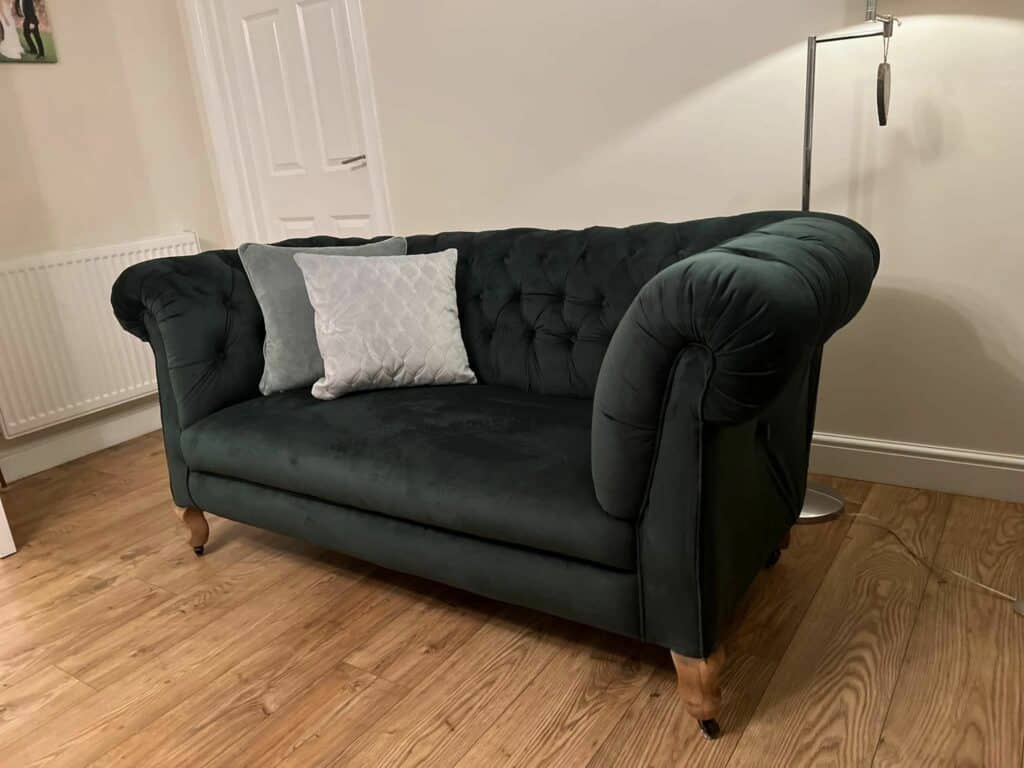
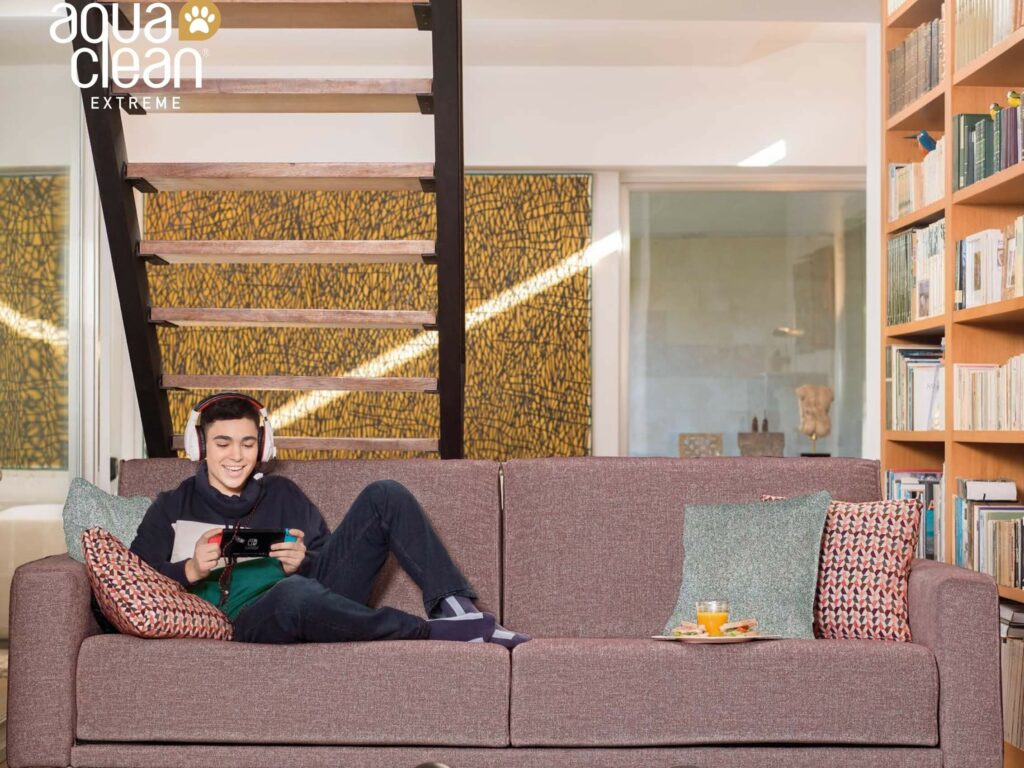
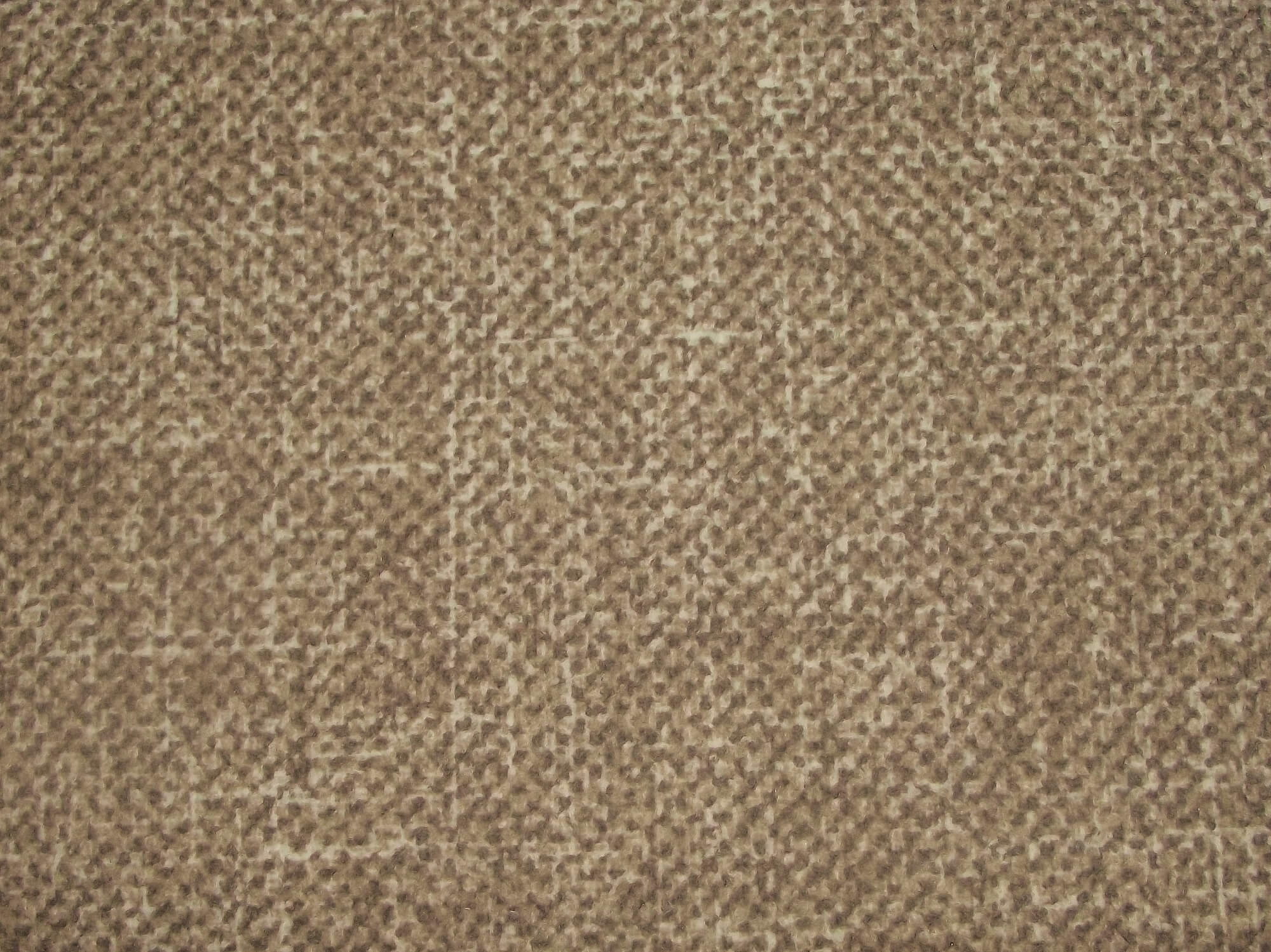
Choosing the right sofa fabric for homes with dogs and other pets can be a challenge, but Deway offers a range of pet-friendly options designed to meet your needs. When selecting a fabric, it’s essential to consider durability, ease of cleaning, and resistance to pet claws and allergens. Deway’s innovative fabrics, enhanced with AquaClean technology and Safe Front treatment, provide the perfect solution. These fabrics are not only easy to maintain but also promote a healthier living environment by preventing the proliferation of bacteria, mildew, and mites. Let’s explore four of Deway’s top pet-friendly fabrics:
Troon: Modern, Durable, and Eco-Friendly
Troon is a modern flock fabric, featuring the innovative AquaClean Extreme technology. This cutting-edge treatment lets you easily clean stains with just water, making maintenance a breeze. Composed of 59% cotton, 17% polyester, 16% acrylic, and 8% polyamide, Troon is designed to resist pet claws and prevent them from digging into the fabric. Its Safe Front treatment, an eco-friendly feature, inhibits the growth of bacteria and mites, promoting a healthier and more hygienic living environment.
Additionally, Troon is a sustainable choice, containing a high percentage of recycled materials and being suitable for vegans. This fabric is available in nine stunning colours: Troon Steel, Troon Wine, Troon Rose, Troon Hunter, Troon Latte, Troon Travertine, Troon Marble, Troon Autumn, and Troon Ocean. Troon offers a blend of durability, easy maintenance, and eco-conscious design, perfect for pet-friendly homes.
Cromer: Stylish, Resilient, and Eco-Conscious
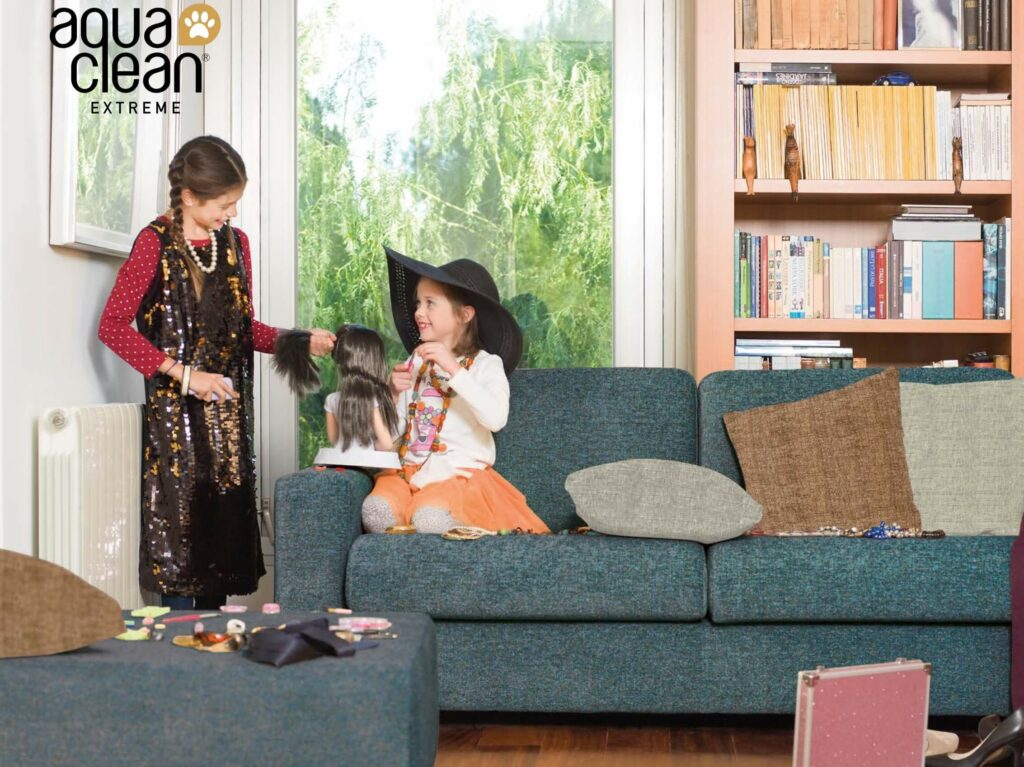
Cromer is a modern flock fabric offered by Deway, incorporating the state-of-the-art AquaClean technology. This technology simplifies cleaning by allowing you to remove stains with just water, ensuring easy maintenance. Made of 59% cotton, 17% polyester, 16% acrylic, and 8% polyamide, Cromer is crafted to withstand pet claws, preventing them from damaging the fabric. Its Safe Front treatment, an environmentally friendly feature, prevents the proliferation of bacteria and mites, enhancing health and hygiene in your home.
Cromer is an eco-conscious choice, containing a high percentage of recycled materials and being suitable for vegans. Available in nine elegant colors—Cromer Marble, Cromer Rust, Cromer Linen, Cromer Green, Cromer Slate, Cromer Denim, Cromer Plum, Cromer Oatmeal, and Cromer Natural—Cromer combines durability, simplicity in care, and sustainable design, making it ideal for homes with pets.
Rye: Stylish, Tough, and Easy to Maintain
Rye is a modern flock fabric from Deway, featuring the advanced AquaClean technology. With a composition of 13% polyester, 44% cotton, 13% polyamide, and 30% polyacrylic, Rye offers impressive abrasion resistance, enduring up to 100,000 cycles. This makes it exceptionally durable and suitable for busy homes. AquaClean Extreme technology allows you to clean stains with just water, simplifying upkeep and ensuring your furniture looks pristine.
Designed to resist pet claws, Rye also includes the eco-friendly Safe Front treatment, which prevents the growth of bacteria, mildew, and mites. This treatment acts as an environmental shield, reducing allergens and promoting a healthier living space. Rye is available in nine versatile colors: Rye Putty, Rye Linen, Rye Bracken, Rye Denim, Rye Mink, Rye Stone, Rye Cocoa, Rye Rose, and Rye Pebble. With Rye, you get a blend of durability, effortless maintenance, and health-conscious design, making it perfect for pet-friendly environments.
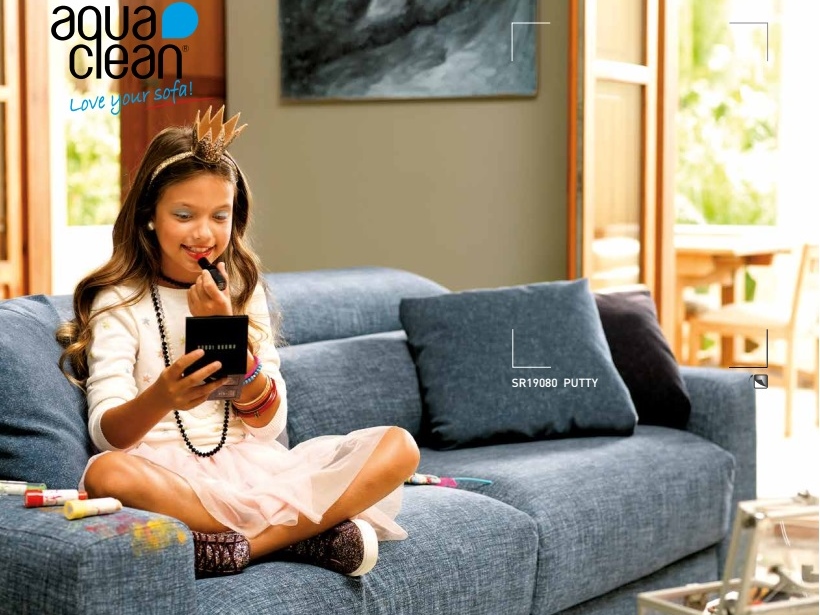
Dunbar: Contemporary, Durable, and Easy to Clean
Dunbar is a modern flock fabric from Deway, enhanced with AquaClean technology. Comprising 41% polyester, 17% cotton, 10% polyamide, and 32% polyacrylic, Dunbar offers a blend of durability and comfort. The AquaClean Extreme technology simplifies stain removal using only water, making maintenance straightforward and efficient.
While not indestructible, Dunbar’s design helps extend the life of your furniture. The fabric’s structure resists pet claws, and the Safe Front treatment inhibits the growth of bacteria, mildew, and mites, contributing to a healthier living environment. Dunbar is available in fourteen attractive colors: Dunbar Beige, Dunbar Navy, Dunbar Teal, Dunbar Dove, Dunbar Saddle, Dunbar Mole, Dunbar Silver, Dunbar Green, Dunbar Wine, Dunbar Charcoal, Dunbar Oyster, Dunbar Denim, Dunbar Chestnut, and Dunbar Stone. With Dunbar, you enjoy a combination of modern style, longevity, and easy maintenance, ideal for homes with pets.
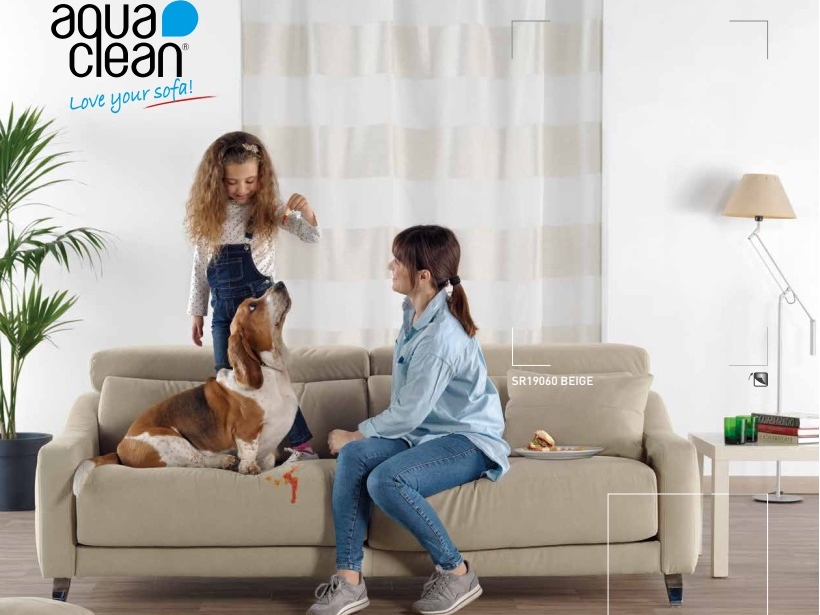
When it comes to selecting the right fabric for a chair or sofa for a pet-friendly home, it’s equally important to know which materials to avoid. Certain fabrics are more susceptible to damage, stains, and odors, making them less suitable for households with dogs and other pets. Here are some of the worst fabrics for pet owners:
Velvet
Velvet has become a firm favourite for sofas and armchairs over recent years and while it looks great, it’s not ideal for pet owners.
That’s because velvet tends to hold onto hair and dander, making it much more of a challenge to keep clean.
If anyone in your family has allergies, it’s vital to choose a material that isn’t going to make things worse and velvet simply isn’t ideal.
Silk
Silk is super luxurious and gives a very elegant feel to your furnishings but it’s one of the most delicate materials out there. If you have a pet, it’s almost guaranteed that those claws will damage silk very quickly.
Not only this but silk is more prone to staining and is one of the more difficult fabrics to keep clean. If Rex comes in with muddy paws, you’d better be prepared to learn the hard way if you’ve chosen silk.
Suede
Another fabric to steer clear of when you have pets is suede. While this is a durable fabric in a sense, it’s super difficult to keep clean. It’ll absorb moisture and hold onto stains very easily so you’ll quickly end up with a very dishevelled-looking couch.
Linen
I have written about how durable linen is in the past and this is a statement I’ll stand strong on. However, a feisty dog might be prone to pulling at the threads which could cause premature damage.
Linen isn’t the worst fabric choice for pet owners but it is one that I wouldn’t be in a hurry to recommend.
Selecting the ideal fabric for a pet-friendly home is essential to ensure both durability and comfort. Deway offers a variety of innovative fabrics that cater to the needs of pet owners. Each fabric, from Troon and Cromer to Rye and Dunbar, is designed with AquaClean technology for easy stain removal and Safe Front treatment to prevent the proliferation of bacteria, mildew, and mites. These features not only make maintenance simple but also promote a healthier living environment.
Whether you prefer the modern look of Troon and Cromer, the high abrasion resistance of Rye, or the stylish durability of Dunbar, Deway has a fabric to suit your needs. Available in a range of attractive colors, these fabrics offer the perfect blend of functionality and aesthetics. With Deway, you can confidently choose a fabric that will stand up to the challenges of a pet-friendly household while enhancing the beauty and comfort of your home.
Even when you have chosen the best furniture fabric for dogs, it’s still important to give your sofa the protection it deserves.
I often find it useful to cover the couch with a throw or blanket, especially in areas where my dog regularly sits.
Not to mention that a well-placed throw can elevate the aesthetic appeal of your furniture and there are plenty of colours to choose from depending on the design of your room.
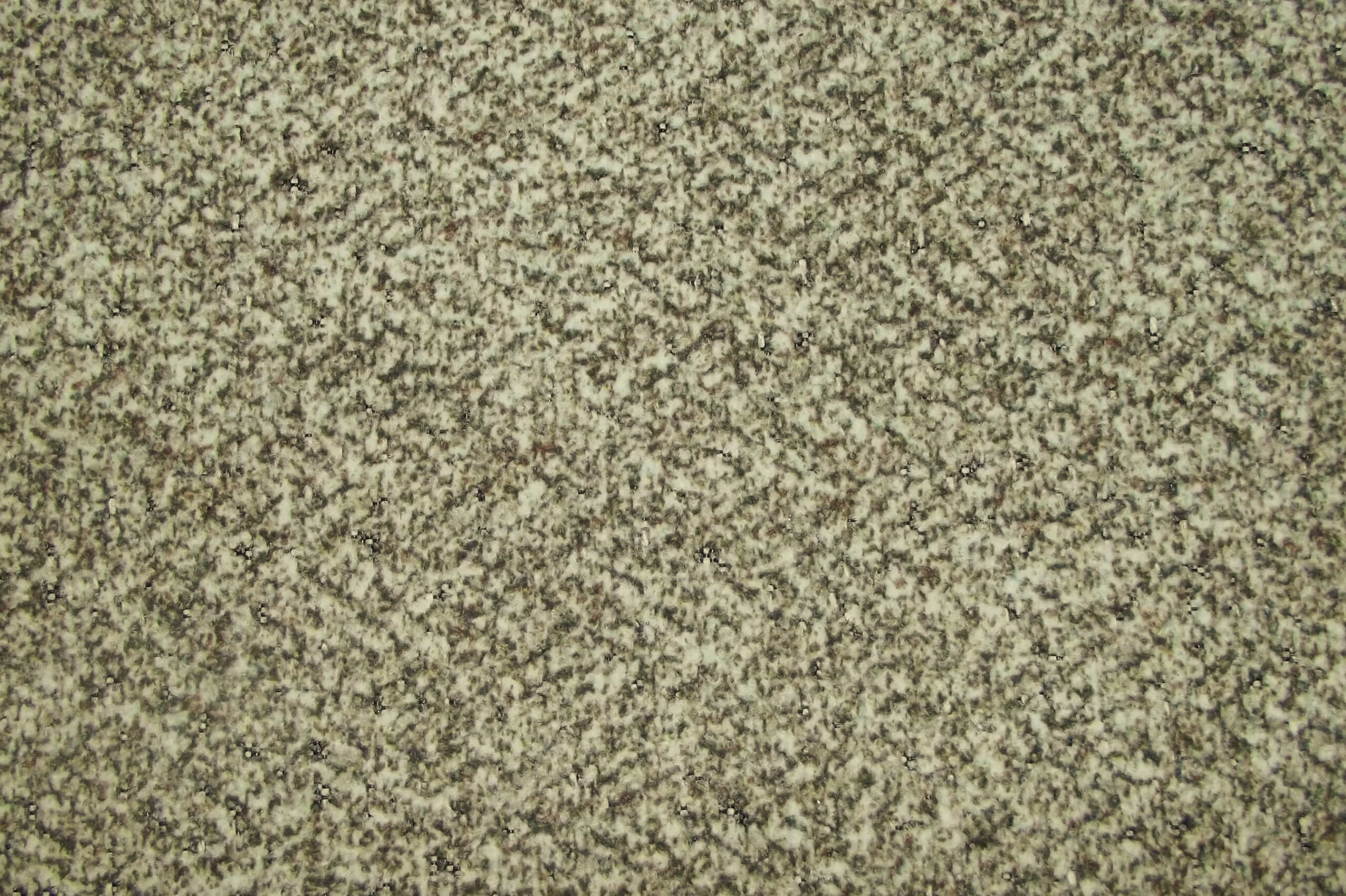
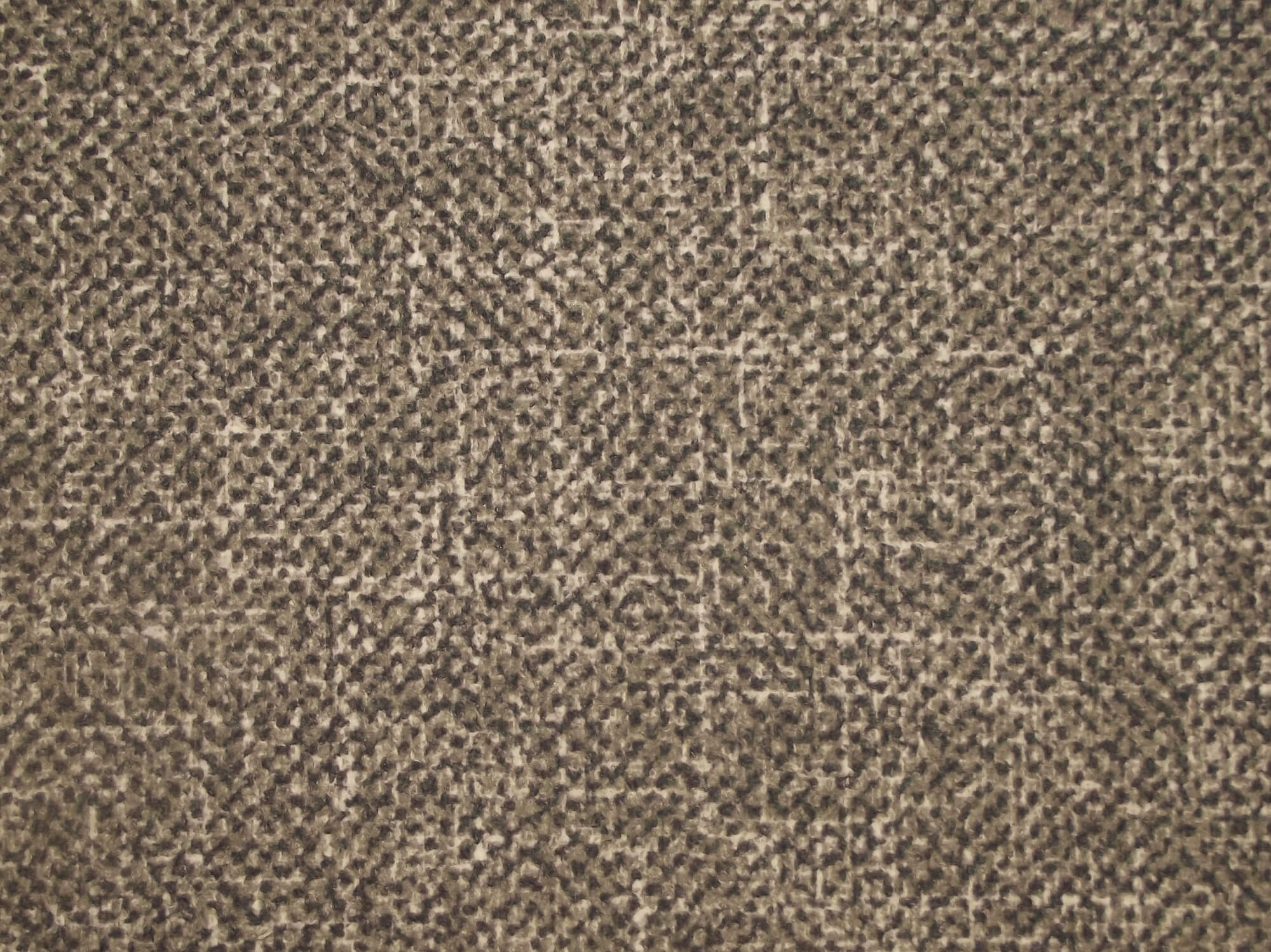
Explore Deway’s collection today to discover stylish and practical solutions that keep your home looking its best while providing the comfort your furry friend deserves:

Durable Fabrics for Every Lifestyle: Exploring Long-Lasting Fabrics for Your Home
When you’ve got a perfectly good piece of furniture, it makes no sense to throw it out when, with a bit of skill and the right fabric, you could make it like new.
Not only is furniture reupholstery a great way to save money instead of buying new pieces, but it’s also an eco-friendly option as your sofa won’t end up in the landfill.
If you’re looking to have your furniture reupholstered but this is your experience, this guide is for you.
How Is Durability Measured In Upholstery Fabrics?
One of the most important things to know when purchasing reupholstery fabric is the rub test. Manufacturers test their fabrics for durability by looking at how many ‘rubs’ they can take before showing signs of wear and tear.
This test is performed by using a machine to rub over the surface of the material. The number of times it does this before wear is shown in the rub count of that particular fabric.
Domestic sofas (and other furniture) are expected to have a rub count somewhere between 15,000 and 25,000. If you’re purchasing commercial furniture then you’d expect it to be much higher than this.
When you purchase fabric from Deway, you’ll always be given the rub count in the product description, allowing you to make an informed choice in terms of durability.
Who Needs Durable Fabrics
Durable fabrics are essential for anyone looking to extend the life of their furniture, but they are particularly beneficial for:
families With Children
Kids can be tough on furniture, from spills to roughhousing. Durable fabrics can withstand the daily wear and tear that comes with an active household, ensuring your furniture stays in great shape for years to come.
Pet-Owners
Pets bring joy to our lives, but they can also bring a lot of wear to our furniture. Whether it’s claws, fur, or the occasional accident, choosing a durable fabric can help protect your pieces from pet-related damage.
High-Traffic Areas
If your furniture is in a frequently used area, like a living room or family room, it needs to handle constant use. Durable fabrics are designed to resist abrasion and maintain their appearance even with heavy use.
What Are The Most Durable Fabrics For Reupholstering Furniture?
When it comes to finding the most durable sofa fabric, there are a good amount of options. Which you go for will depend on the look you want to create, your budget, how easy the fabric is to maintain and several other factors. Let’s take a look at some of the top contenders for robustness in the upholstery world.
Linen
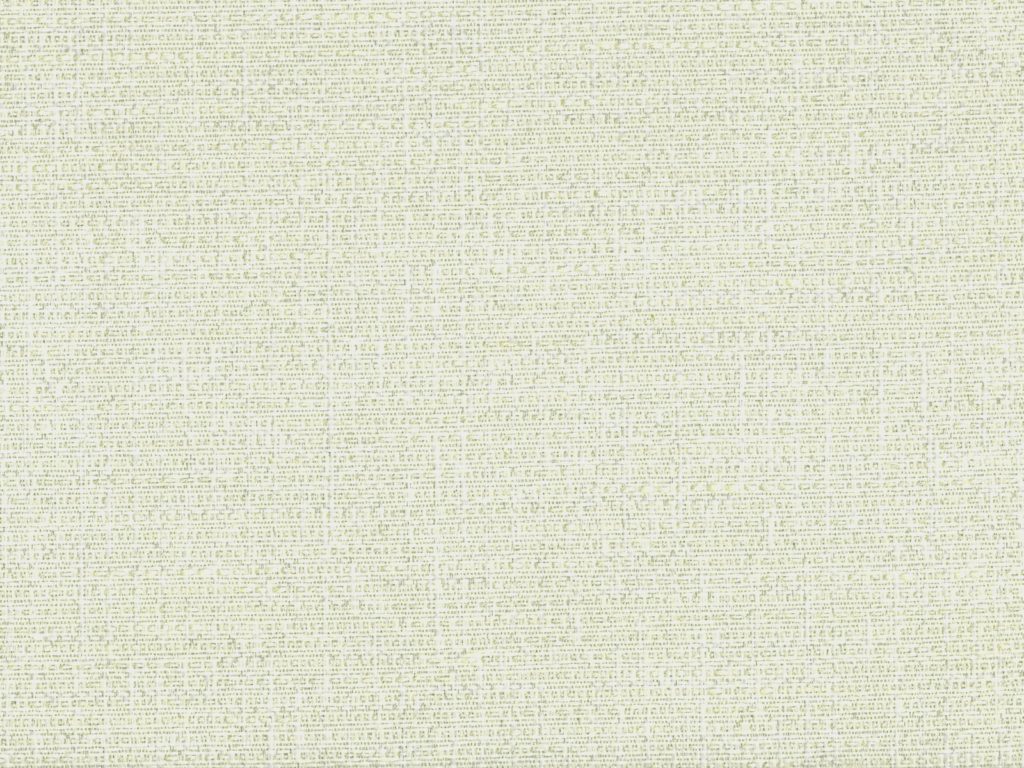
For as long as we can look back in history, linen has been favoured for its many excellent properties. Not only is this an incredibly breathable natural material but it’s also surprisingly strong.
Consider the Naturale range from Deway which boasts a rub count of 100,000! If you’re looking for something that’s going to stand up to everyday use then this is something I’d highly recommend.
What I will say is that, while linen can hold onto as much as 20 times its weight in moisture before feeling damp, it does tend to wrinkle or shrink. What’s more, it will hold onto stains. For these reasons, it is one of the more high-maintenance options.
Leather And Faux Leather
When you’re talking about durable upholstery fabrics, it would be a crime not to mention leather. If you’re not keen on using animal products then fear not, there are a ton of faux leather fabrics out there that perform just as well as their natural counterparts.
The great thing about leather is that it’ll resist tearing and wear for decades as long as it is well looked after. What’s more, this is one of the most stylish and timeless upholstery fabrics and it’s super easy to clean and maintain.
That said, leather is more expensive but when you consider that collections like Toro have a rub count of 750,000, it’s easy to see why this is ranked as one of the most hard-wearing fabrics on the planet!

Cotton
Cotton is another natural material that has been used by humans for many years. Not only is it lightweight and breathable but it’s also extremely strong.
While cotton is one of the ultimate fabrics in terms of durability, it is often blended with other strong fabrics for even greater robustness. Deway offers many such fabrics including the Cassino range which is a blend of cotton, polyester and acrylic with a rub count of 20,000.
What I also really love about this fabric is that it is resistant to pilling and, if you’re choosing a dyed cotton, the colour isn’t going to fade. If that wasn’t enough, consider the fact that cotton feels nice on the skin so offers an impeccably comfortable seating option.
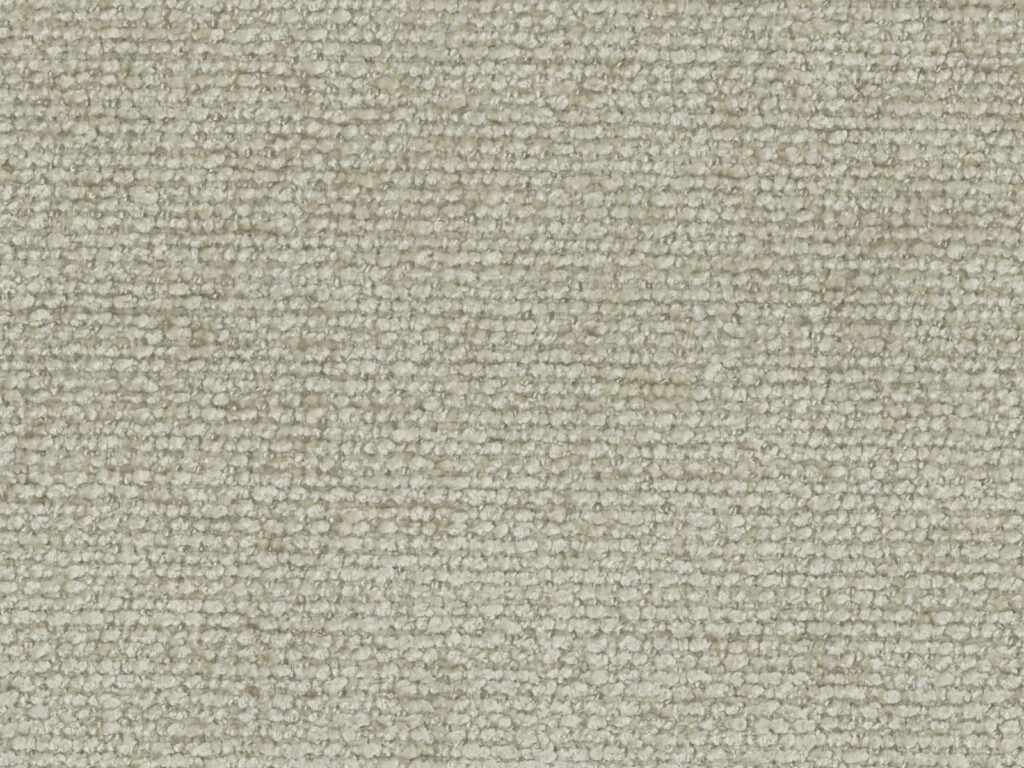
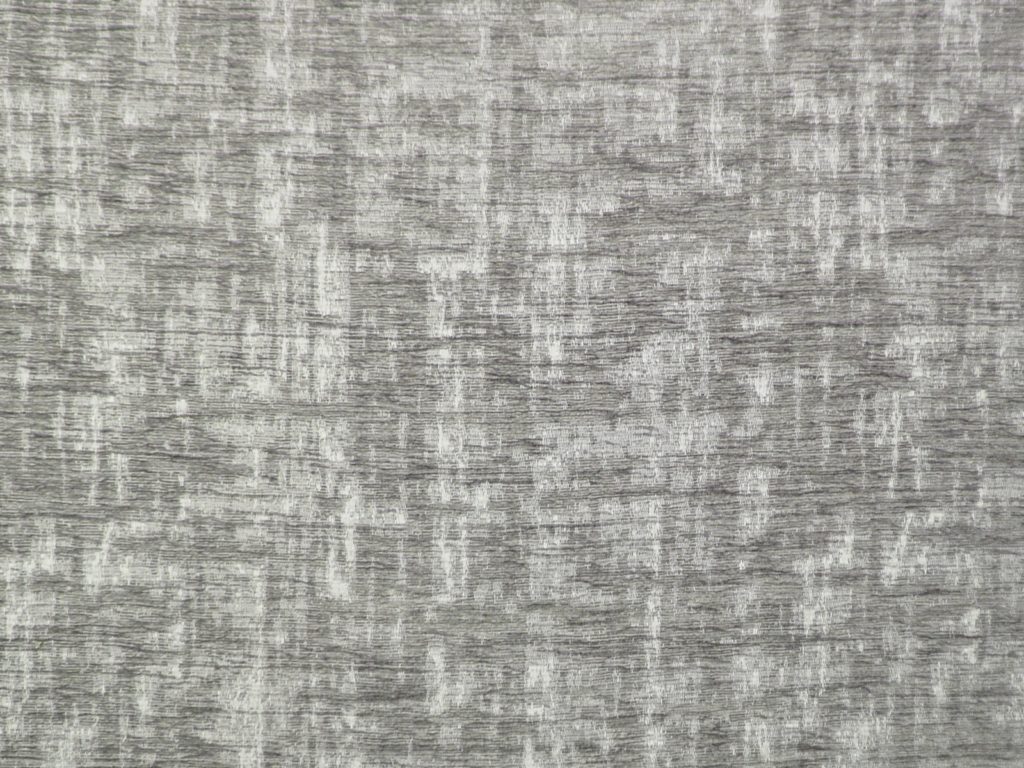
Chenille
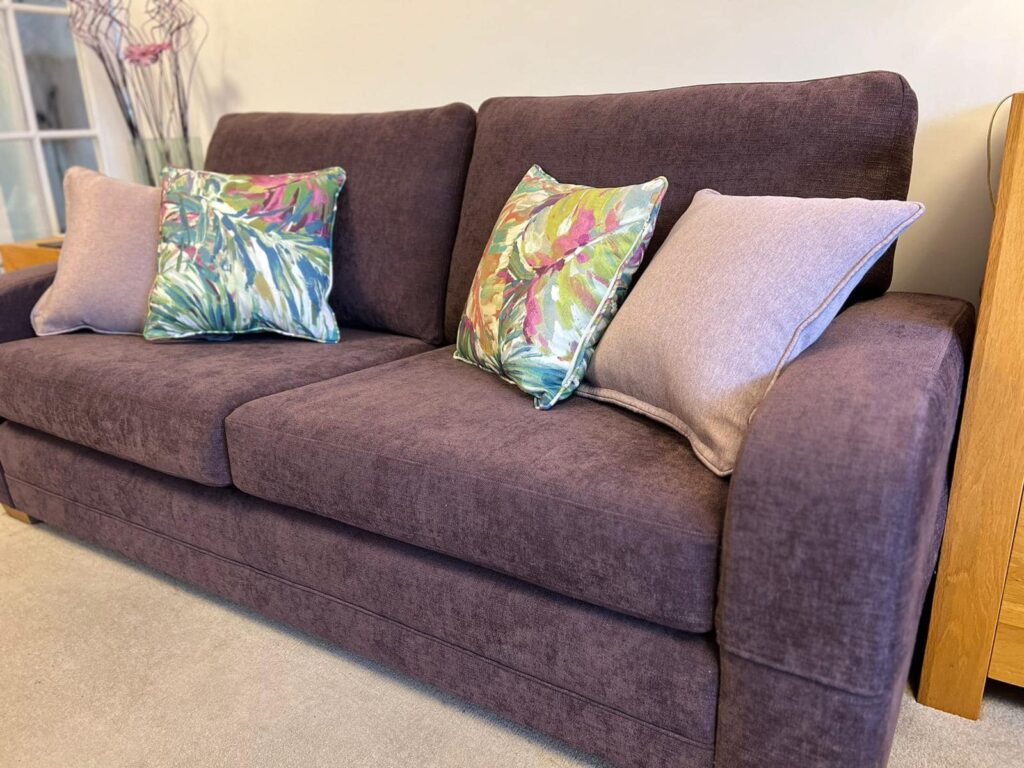
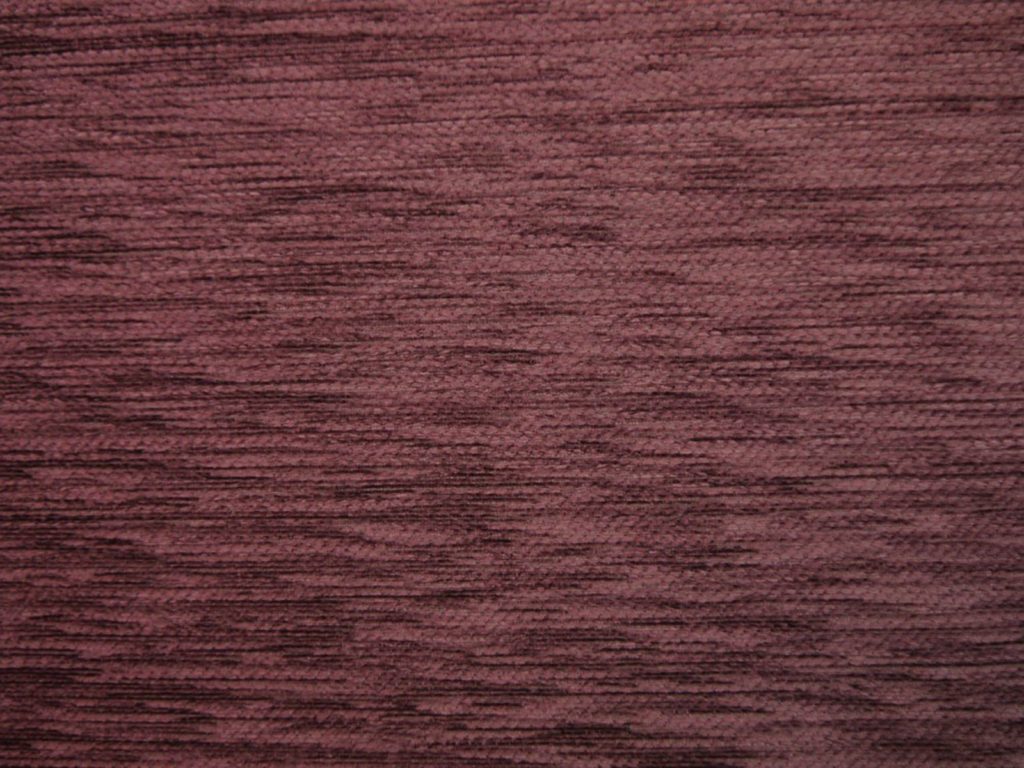
Chenille has fast become one of the most popular options as a reupholstery fabric and it’s not just because it’s durable (it is but I’ll talk about that shortly.) This material is one of the softest, snuggliest and most comfortable there is and is perfect for a couch where families can relax and cuddle up in the evenings.
The Mirto range from Deway is one of the most hard-wearing chenille fabrics and comes with an impressive rub count of 70,000.
Not only is chenille comfortable and robust but it also comes in a much wider range of colour and pattern choices than some other fabrics so it’s ideal if you’re looking to make a statement.
Acrylic
Acrylic is a man-made fibre that boasts some of the best durability of all upholstery fabrics. Like cotton, this is often used in combination with other materials so you get the best qualities from all of them.
On its own, acrylic offers resistance to pet hair, dust and dirt and is breathable, soft to the touch and comfortable. It was originally made as a synthetic alternative to wool and it certainly boasts many of the same properties. Plus, it’s easy to clean.
Made from a blend of acrylic, viscose and polyester, the Murano range from Deway boasts a 20,000 rub count. While this may be less than some other fabrics in the collection, it still provides excellent domestic durability and, since this is designed to be a luxury fabric, you can still create an elegant look, without sacrificing robustness.
How To Choose The Most Durable Fabric For Sofa Reupholstery
Earlier, I talked about the rub count of a reupholstery fabric and this is what sets it apart when it comes to durability.
While you might expect a domestic couch to have a rub count of up to 25,000, some of the Deway fabrics are triple this and offer superior durability. So, when choosing a fabric, the first thing I’d look at is the rub count. If it falls short then I wouldn’t recommend that material for heavy-duty use.
Just because a material is durable, that doesn’t mean that it has to be uncomfortable. Some of the most durable fabrics for sofas, like leather and chenille offer immense softness and comfort. While you want your couch to be durable, that shouldn’t come at the expense of cosiness. It’s more than possible to find the perfect balance between the two.
When deciding on a robust upholstery fabric, it is a good idea to look at the weave. The more closely woven the threads are, the more hard-wearing that fabric is going to be. A tight weave is essential if you have cats or dogs as the threads are less likely to be snagged when your furry friend is walking over them.
Durability can refer to many things and while a lot of people think about the material’s ability to resist tears, I also think it’s really important to look at whether it will resist pilling. Once a fabric starts to pill, it can lose its visual appeal. What’s more, think about how well the material holds onto colour as the last thing you want is a sofa that starts to fade and look aged before its time.
Finally, I’d also think about the colour of the fabric. If you’re looking for something durable then I’d also hasten to guess that you want something that isn’t going to show marks. Darker colours are less likely to show dirt. That said, choosing something like leather that doesn’t hold onto stains and is easy to clean eliminates the need to consider this.
Exploring Parker Knoll and Stressless: Understanding These Brands and Our Reupholstering Expertise
If you’ve got the budget, investing in high-quality furniture is always going to be a good idea. Not only does it exude luxury and comfort but you can rest assured that the frame will be solid and ready to stand the test of time.
However, when it comes to fabric, there will always be a limit on how long it’ll last. Even fabrics with a super high rub count will come to the end of their life before the frame of the piece does.
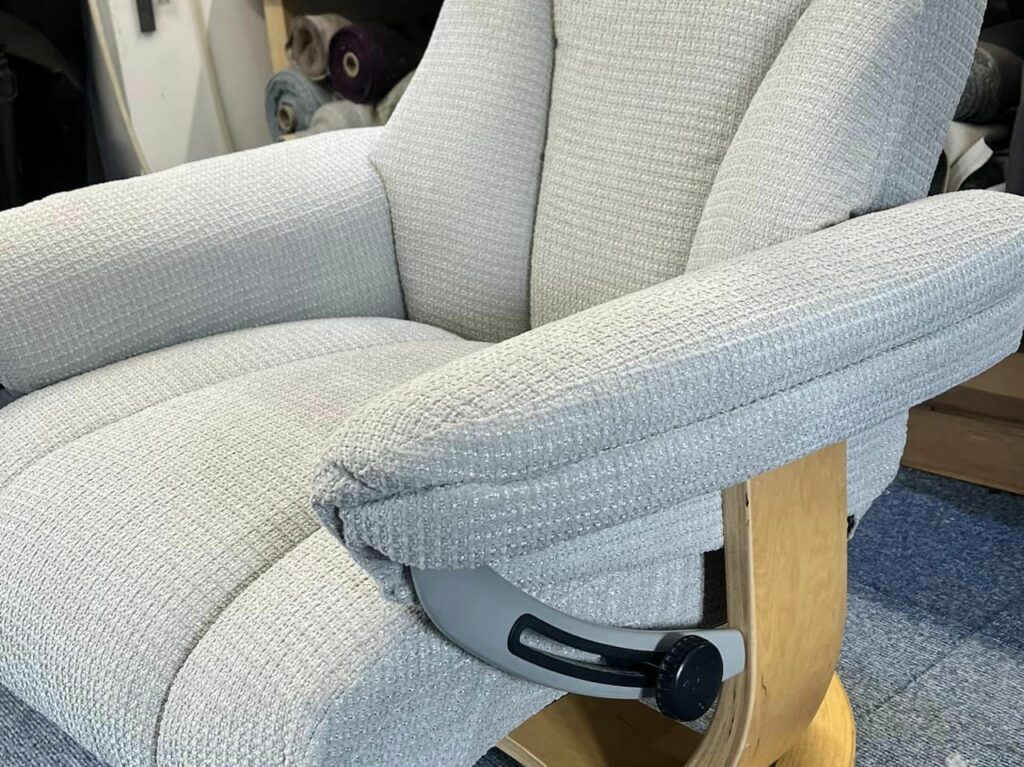
But that doesn’t mean that you can’t continue to enjoy your furniture for many more years. High-end furniture brands like Parker Knoll and Stressless are notoriously difficult to reupholster so you’ll need a specialist that knows what they’re doing.
Here at Deway, we have an impressive portfolio of pieces from Parker Knoll, Stressless and other premium brands like La-Z-Boy and G Plan that we have successfully restored with our reupholstery techniques.
If you’re the proud owner of a superior piece of furniture and are worried about getting it reupholstered then you can feel confident that your furniture is in safe hands with us. Let’s get to know these brands a little better and discover how Deway can help breathe new life into your most beloved pieces.
Getting To Know Parker Knoll
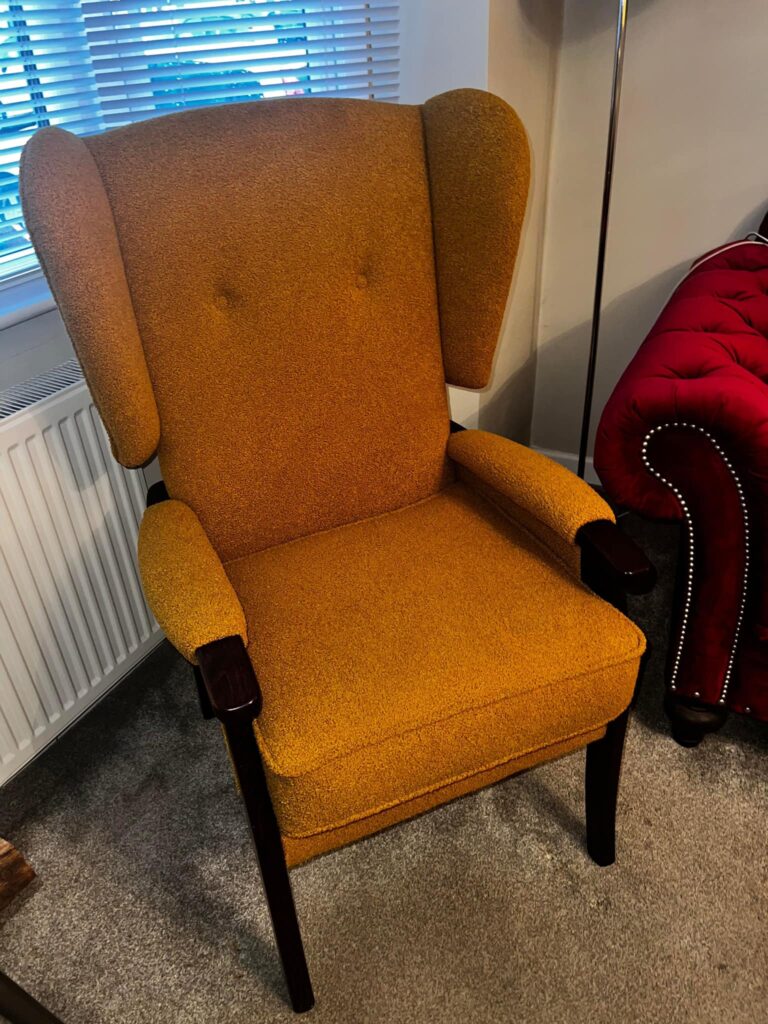
Parker Knoll is one of the most well-established furniture makers in the UK and has been crafting fine pieces for well over 150 years.
Based in Nottinghamshire, Parker Knoll is renowned for its commitment to producing high-quality, comfortable furniture that’s always in style.
While the prices of these pieces are certainly much higher than your average SCS or DFS sofa, the longevity of the furniture and its build quality are well worth the investment. Everything is carefully designed and hand made and comes with a whopping 25-year guarantee.
What Types Of Furniture Does Parker Knoll Produce?
Parker Knoll is known for its exquisite pieces and they produce a whole range of different options designed to suit every need.
One of their most well-loved furniture items is the sofa and they come in a choice of styles from the grand sofa to corner groups, chaise longues, two-seaters, and many more.
They’re also known for producing armchairs and I would argue that these are among the most popular products. From classic wingback armchairs to snuggle seats and accent chairs, there’s something for every taste. Plus, each piece is carefully crafted with the love and passion that the founder first put into creating this business.
You’ll also find a wonderful selection of footstools from Parker Knoll which are the perfect way to finish off your furniture set-up and, as with everything else, come in a huge range of styles to suit any decor.
Getting To Know Stressless
Stressless started in 1934 and wasn’t a furniture manufacturer back then. It was producing coil springs for beds over on the continent. However, over time, the company ventured out and began producing its own bed and furniture springs before moving on to produce the world-famous Stressless recliner.
Finally, the company was purchased by American buyers and by the early 1970s, was producing the very first TV chairs. From there, things have skyrocketed and Stressless is now known for its superb comfort and superior quality.
What sets Stressless apart from other furniture manufacturers is the technology and innovation used by this company. If there’s new furniture tech to be used, you can almost guarantee that Stressless will be at the forefront.
What’s more, Stressless is taking significant steps to become a sustainable manufacturer. Not only is the furniture designed to last for years but the company also sources sustainable fabrics and FSC Certified wood.
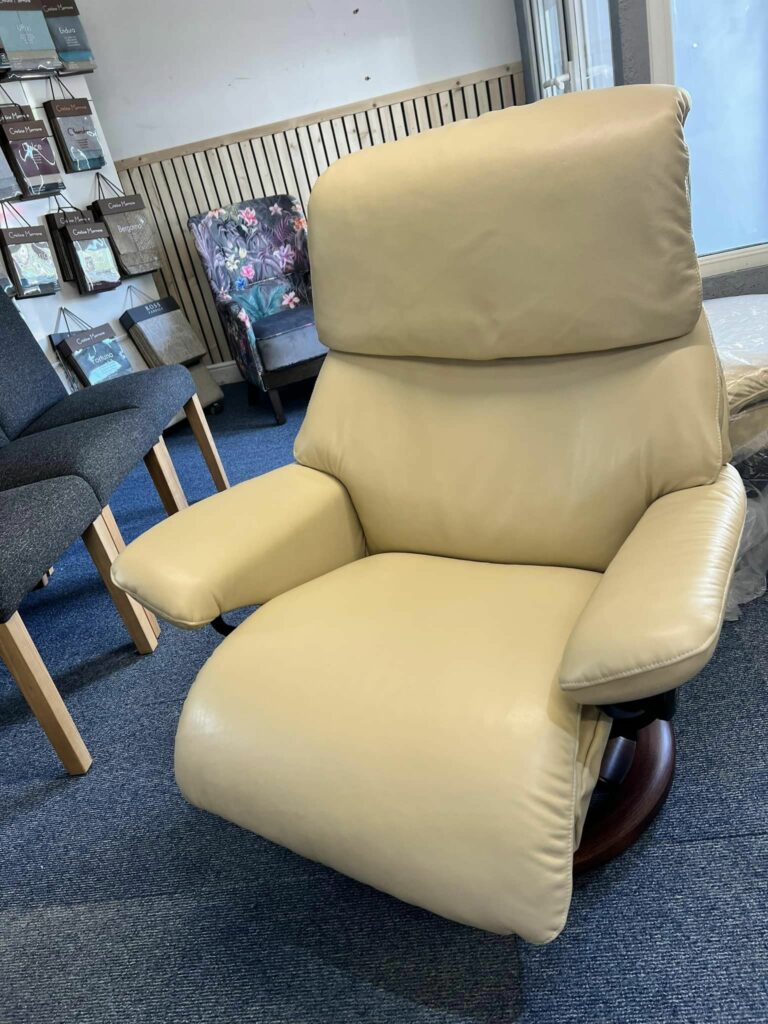
What Types Of Furniture Does Stressless Produce?
One of the most outstanding things about Stressless is the sheer number of furniture options they produce. You’re probably familiar with the Stressless chairs and footstools as these are among some of the most popular products, but it doesn’t end there.
The company is also very well known for manufacturing sofas that are considered to be the height of excellence and luxury. One of the most recent additions to the collection is the Power Sofa which is fully adapted and adjustable; perfect for the family home. With modular sofas and traditional designs, there really is something for everyone.
You’ll also find a range of high-quality dining and office furniture including beautifully crafted dining chairs with excellent back support and flexibility for dining room comfort you’ve never experienced before.
Why Trust Deway To Reupholster Your High End Furniture
Parker Knoll and Stressless are among some of the most well-respected high-quality furniture brands out there along with companies such as Ekoness and MultiYork.
While people are happy to invest, one thing that causes concern is that these brands are much more difficult to reupholster. That’s because of the elite craftsmanship that goes into their creation and it takes someone pretty talented to recreate that when upgrading the upholstery.
I’d never suggest putting your Stressless or Parker Knoll sofa into the hands of just anyone but when you choose Deway, you know you’ll be getting the same high standards set out by the manufacturer when your piece was first created.
We have had years of training and experience that have allowed us to learn the perfect techniques for reupholstering high-end furniture while retaining the superior quality you have come to expect.
You can check out some examples of this on our online portfolio and we’re particularly proud of these Parker Knoll chairs. We’re also particularly proud of this Stressless chair and footstool combo whose leather upholstery has started to wear (after 15 years, no less). With a complete makeover, it came up like new!
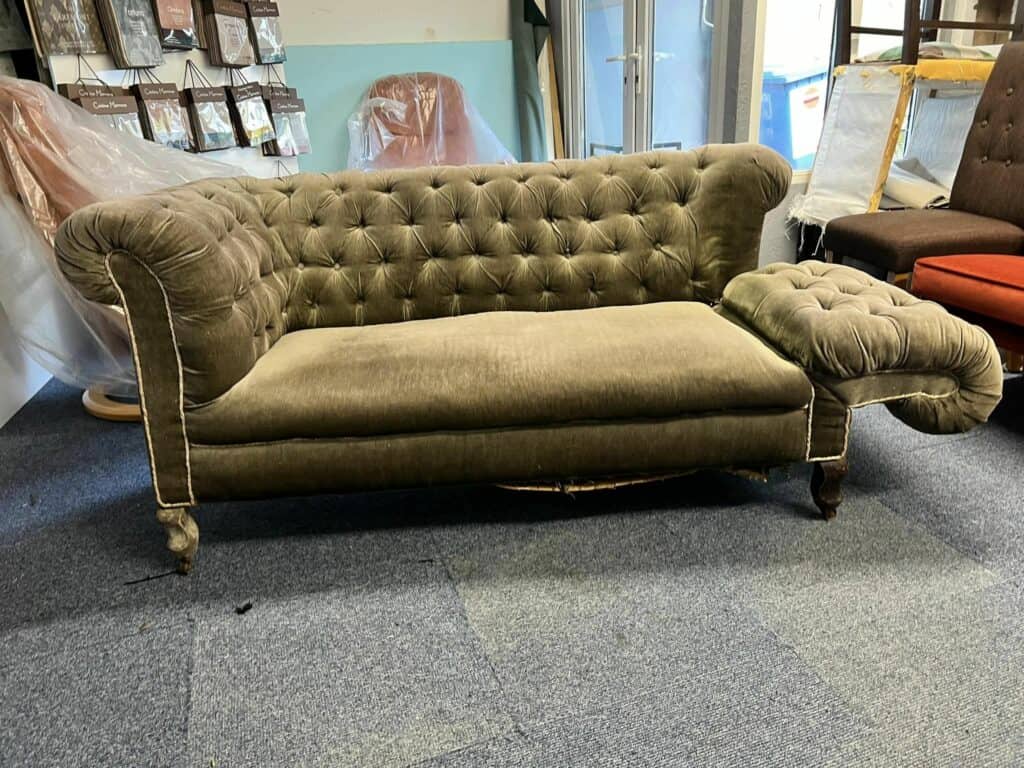
But perhaps one of our most impressive high-end projects came in the form of this circa 1900 Chesterfield chair that was as good as falling to pieces. But with our expert knowledge and superior restorative techniques, we were able to give it a new lease of life.
New Fabric, New Look
One of the things that I love about brands like Stressless and Parker Knoll is that there is such a wide range of fabric choices. However, since this furniture is designed to last for such a long time, you may find that, when it comes to reupholstering, you have fallen out of love with your previous fabric choice.
But that won’t ever be a problem when you choose Deway because we have one of the most broad fabric libraries in the UK.
We stock everything from leather and suede to linen, polyester, cotton, chenille and much more. What’s more, each of our fabric collections is put through a serious rub test and we only supply fabrics that are designed to stand the test of time.
With so many colour and pattern options, we know we’ve got a fabric that will fit perfectly into your home and restore the look of your premium furniture.
Restore Your Settee: A Guide to Refilling Cushions for Lasting Comfort
Over the years, I learned the hard way when it came to sofa cushion filling. When my furniture started looking as though it needed some TLC, I immediately started browsing the internet for something new.
It wasn’t until I discovered Deway and how they can refill sofa cushions, breathing new life into any piece of furniture that I realised there was a better way.
With a great range of sofa cushion inserts to choose from, there’s no reason that your saggy old sofa can’t last for many more years.
Why You Should Refill Your Sofa Cushions
It would surprise you to learn how many people overlook the benefits of refilling sofa cushions as opposed to investing in an entirely new piece. There are so many reasons that refilling your sofa cushions is a great option so, let’s explore.
It’s Cheaper Than Buying A New Sofa
Have you seen the cost of a new settee? Even some of the cheaper ones go well into four figures and, amid a global cost of living crisis, this is the last thing that homeowners need.
But there is a more cost-effective option that comes in the form of sofa cushion refilling. Refilling your cushions can cost as little as £70 per cushion. Even for larger cushions, the total cost will likely be far less than investing in a new sofa.
Bring Your Settee Back To Life
It is very common for sofa cushions to begin losing their shape over time. I mean, it does depend on the original filling as to how long the cushions will retain their shape but, in any case, it is bound to happen.
If you’re like me and tend to sit in the same spot, you may have a particular area of your couch that looks misshapen and saggy and that can drag down the aesthetic appeal of your furniture.
But with the right filling and an expert upholsterer, your sofa can be brought back to life. The frame of your sofa is designed to last decades so why throw it out when you can invest a little time and money to get the best longevity out of your favourite pieces?
It's An Eco-Friendly Option
The number of individual pieces of furniture that end up in landfill in the UK every year is astonishing. And that isn’t a good thing.
There is some serious work going on among eco-friendly charities and organisations to limit the amount of waste we’re throwing out every year and if there’s a chance for you to restore your sofa, then you can help.
The more waste that goes into landfills, the more toxins and chemicals are released into the environment as it break down. Some products take hundreds of years to fully degrade so the more we can do to prevent this, the better.
Save Yourself Time And Hassle
If you’ve ever ordered a sofa from the likes of DFS or Sofology then you’ll know that there’s at least a 10 – 12 week waiting period before your furniture is delivered. Even when you use high-end companies like G Plan or Parker Knoll, you’ll still need to wait a good few weeks before your furniture arrives.
If you’re living with a battered old couch then this can feel like an eternity but when you choose to have your sofa cushions refilled, the timeframe is often far quicker.
Once you’ve dropped off your sofa (or it has been collected), the upholsterer will usually be able to get the work done in as little as a week. Now doesn’t that sound more convenient?

What Are Your Options
When it comes to sofa cushion inserts, there are a few options to choose from. Which you go for will depend on things like budget and personal preference as well as how much use the settee will have.
Foam
Foam is one of the most popular choices of sofa fillings and for many good reasons. One of the best things about foam is that you can choose the density. Lower-density foam provides a squishy, comfortable feel while higher-density foam offers more support.
What’s more, foam is an affordable option and has a very durable nature so it will stand the test of time. It doesn’t lose its shape quickly and will spring back into shape every time you get up off the sofa.
This is also ideal if you don’t want to spend time every day plumping your sofa cushions. However, it is worth noting that some types of foam filling can be more flammable than other options so you must make sure you go for a flame-retardant option.
Feather
If you’re looking for a super luxurious filling then you might choose feather and down. This is admittedly one of the more expensive options but, being a natural material, it’s incredibly breathable and soft.
Of course, by its very nature, feather and down may not be suitable for people with allergies so this is something to be mindful of. What’s more, the feather will need to be plumped more regularly if it’s going to keep its shape.
That said, another great thing about feather and down is that it’s an extremely good insulator and will feel super cosy, especially in winter. It’s possible to choose the amount of filling so you can alter the firmness to your liking.
Fibre
Synthetic fibres are an excellent option for sofa cushion filling as they give the same soft comfort as feathers but are hypoallergenic. What’s more, this is often a much more affordable option so it works well for people on a budget.
Fibre filling is very durable so I always recommend it to people with kids or pets but, with that said, it will lose its shape more quickly than something like foam.
Why Choose Deway To Refill Settee Cushions
Deway has many years of expertise in sofa reupholstery and we’re committed to providing the best sofa fillings for our customers.
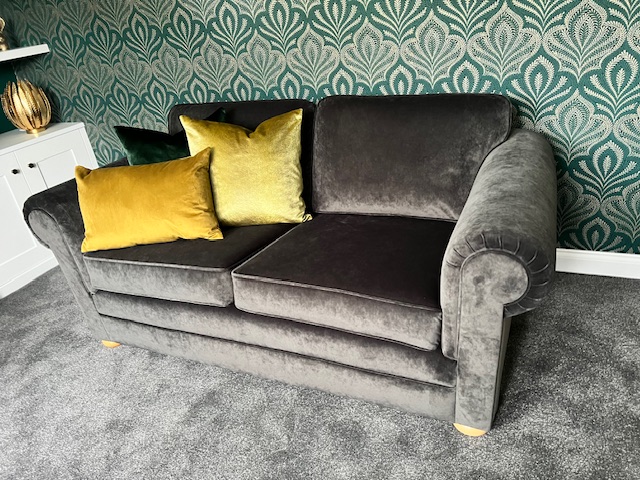
Our portfolio includes many examples of sofa refilling which showcase our dedication to excellence. Just take a look at how we restored the look and feel of this 20-year-old leather sofa that now looks as good as new. The foam filling will provide the owners with bounce-back comfort and a low-maintenance couch that’ll last for years.
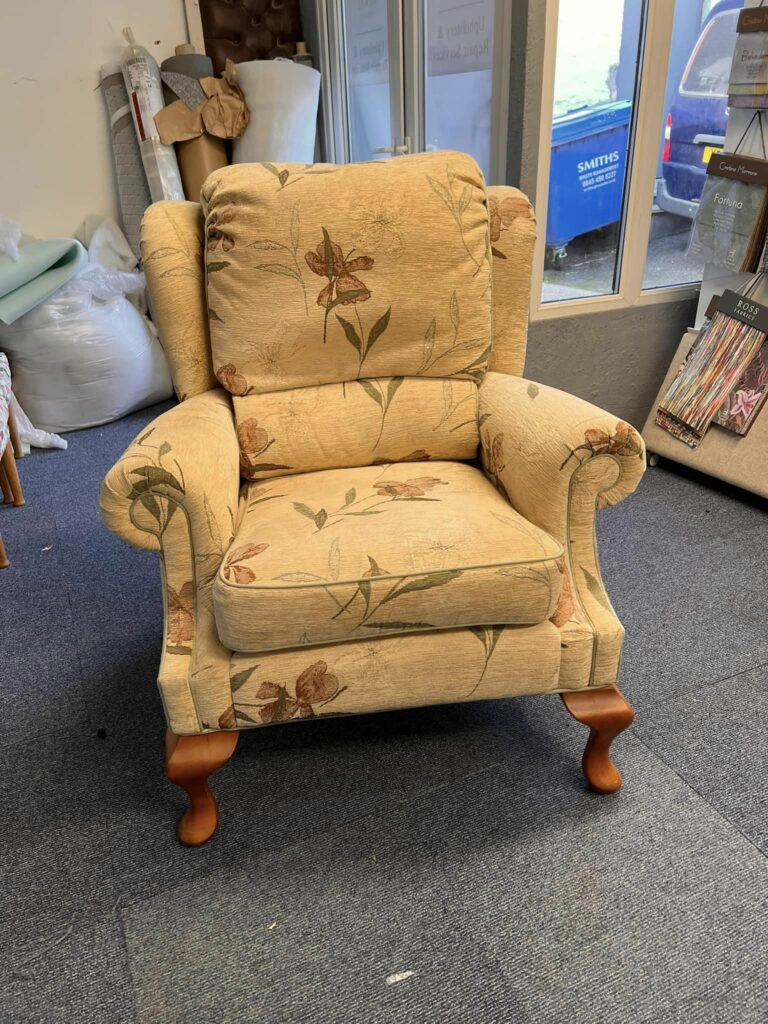
We are also particularly proud of these two Parker Knoll chairs that were given a new lease of life by our team. Not only did we refill the cushions with a comfortable and durable foam but we also added a new fabric to bring them bang up to date.
Whether you’re looking for a fluffy feather filling or a supportive foam sofa, we’ve got you covered. Our team will talk you through your options and help you find the sofa cushion inserts of your dreams.

The Art of Restoration: Preserving History with Antique Upholstery Materials
Aside from the monetary value, the sentimental value of many antique sofas and chairs cannot be measured. Maybe you have a piece that has been passed down through the generations or perhaps you discovered a gem with a rich history at a local antique fair.
Whatever the situation, I’m sure that you want your antique furniture to look its best. The problem is that, while the frame of antique pieces is often designed to last for decade after decade, the fabric and fillings aren’t.
This means that there will come a time that your antique piece will need some TLC and that’s perfectly possible.
Is It Worth Reupholstering Antique Furniture?
One of the first things you need to think about when considering reupholstering antique furniture is what its value is to you.
If you’re attracted by its potential monetary value then you should consider that any major alterations could devalue it. However, if the piece has ripped fabric and fillings that have all but fallen out, you need to consider that it probably won’t be worth much in that state.
On the other hand, many people have a sentimental attachment to their antique couch or chair and, in this case, reupholstering the piece can make a huge difference. This process will make the piece usable for much longer and can also serve as a way to give the furniture an updated look.
What Fabrics Are Best For Reupholstering Antique Furniture?
When it comes to choosing the best antique upholstery material, it pays to think about how the chair was first upholstered.
Let’s take the Victorian era, for example. During this time, fabrics like velvet, silk and brocade were very popular. Damask was very popular during the Georgian period.
What you have to keep in mind, however, is that some of these fabrics can be quite costly today and may require more maintenance. Of course, there’s nothing wrong with this but it’s worth thinking about how the item will be used. If you’re reupholstering to use the piece every day then it might be better to choose a more modern fabric with an antique pattern.
However, if you plan to have the chair as a statement piece that retains its original character then you’re at more liberty to go with something that would have been originally used.
It’s the wooden frame that makes the piece and this was often made from things like oak or mahogany which are known for their extremely robust nature.
It would be unfair of me to advise using a more modern fabric without making it crystal clear that this will devalue the piece. When choosing a fabric for an antique piece, you’ll want something whose weight matches the durability of the frame. Something strong like linen, velvet or even leather will help to retain the original design while being strong and resistant.
Also, think about the colour of the frame. Most antique pieces were made from darker woods so choosing a darker fabric or one with a heavy pattern will likely match far better. Then again, for something fresher, you might choose a floral fabric which will also compliment the wood.
What’s more, since the wooden frames of these pieces are often incredibly robust, the last thing you want to do is use a super lightweight fabric. Opting for something thick and heavy is often the best solution here.
What Fillings Are Best For Reupholstering Antique Chairs And Sofa?
Another thing that you need to think about when reupholstering antique furniture is the type of filling you use.
Back in the day, things like animal hair, batting, and even hay were used and, if you want to retain the historical value of the piece then it’s a good idea to stick with these types of filling. However, it is possible to use more modern fillings like foam and synthetic fibres but this again, will devalue the furniture.
Animal hair is a common choice and is often taken from the tail or mane of animals like horses. You’ll also find feather and down to be incredibly popular in the antique furniture reupholstery market but what you need to keep in mind about both of these stuffings is that they’re not suitable for people with allergies. However, they offer a beautifully soft and comfortable seat and, when properly maintained, can last a decent amount of time.
Alternatively, you might choose batting which is made from either cotton or wool. When reupholstering, this batting is typically applied over the top of the foam so you get a filling that’s both comfortable and will retain its shape. You can choose the thickness of your batting depending on your needs.
In days gone by, they would have used things like hay, straw and even moss to fill their sofa cushions. That sounds a little weird by today’s standards but it was so common years ago. Straw was commonly used as a base layer which would then be covered by moss or hay.
More expensive pieces were known to have a higher hay ratio and less straw as this was considered to be more luxurious.
While you might not think it, coil springs have been used since the 19th century in furniture. So, if you want these added then it shouldn’t detract from the historical value of the piece. Plus, they offer comfort and durability in equal measure.
Can Deway Help To Reupholster My Antique Couch?
Deway is at the forefront of antique furniture upholstery and we have a catalogue of projects that we’re super proud of. We strive to retain the historical value and beauty of antique pieces while restoring them to a usable and attractive state.
Just take a look at this sofa which we believe to be from around the year 1900 and which was as good as falling apart. But with some TLC and expert skill, we were able to breathe new life into this piece with a velvet fabric and horsehair stuffing.
We also restored this beautiful 1940s sofa in a stunning red ribbed velvet fabric, giving it a whole new look and feel for the owners.
Deway takes great pride in caring for antique furniture and always aims to retain as much of the original character and materials as possible. If you have a piece that requires restoration, please speak to us today; we’d be more than happy to help.
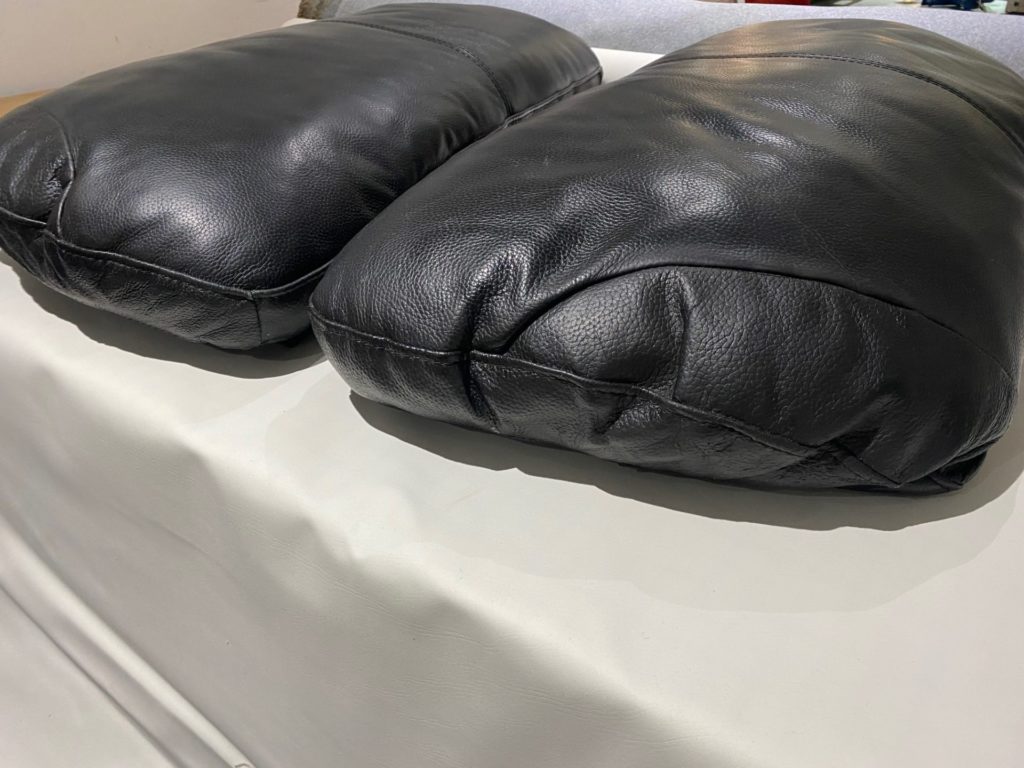
The Timeless Appeal and Modern Comfort of Leather: Discovering The Expertise of Leather Upholsterers
When it comes to sofas, leather has long been one of the most popular upholstery options. What’s great about it is that it never goes out of style and is one of the most durable and well-wearing materials out there.
But there’s a lot of talk about why you wouldn’t want to buy a leather sofa and I’m here to put this to bed, once and for all. Don’t get me wrong, there are things you’ll need to consider when opting for leather but if you want something timeless, robust and low maintenance then leather is well worth considering.
Yes! While leather (or faux leather) is an exceptionally hard-wearing material, it does eventually need to be replaced. But if you’ve got a high-quality frame then there’s no need to throw your old sofa out.
Give it a new lease of life and send it to a leather upholsterer who will apply a new fabric in any colour you can think of.
Leather is a natural material sourced from animal skins. Skin is naturally strong and resilient so it’s no wonder that humans have made the most of this.
However, many people don’t like to use animal products and that’s understandable. But that doesn’t mean you can’t enjoy a newly upholstered leather sofa thanks to innovations in creating faux leather that boasts all the properties of the real thing but is synthetic.
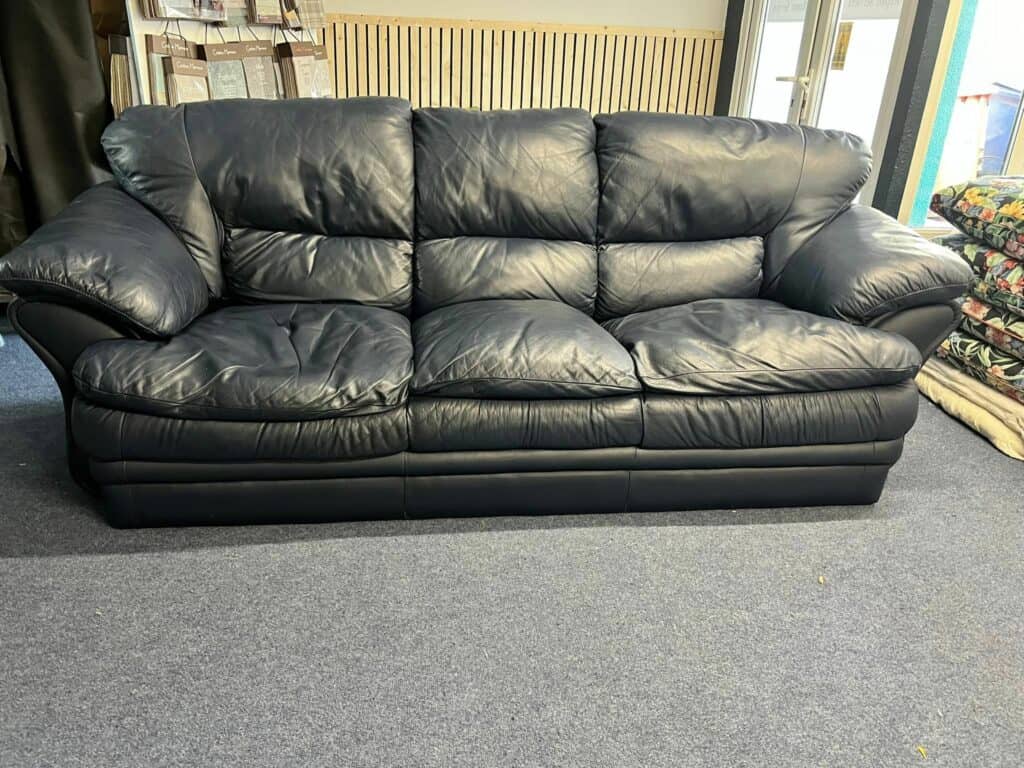
Leather has been a go-to choice for sofa upholstery for many years and there’s a reason it’s so popular. For starters, being a natural material, it’s incredibly breathable but also boasts a serious comfort factor.
Even if you opt for faux leather, this can still be breathable (not like those sticky, sweaty faux leather sofas of days gone by) as many of these fabrics are made using cotton.
Another reason that leather is an excellent choice for furniture reupholstery is that it’s so hard-wearing. If you have pets, a family or need a sofa that’s going to stand up to heavy-duty use then leather is a choice well worth considering. When properly taken care of, a good leather sofa can last for decades.
And when I say properly taken care of, don’t freak out; looking after a leather sofa is incredibly easy. This is one of the reasons so many people choose it. It doesn’t absorb spills and can be easily wiped down. While it is a good idea to vacuum it with a soft brush attachment, this doesn’t need to be done anywhere near as often as some other fabrics.
If that wasn’t enough, consider that leather (and faux leather) comes in an impressive number of colour options. You can essentially choose any shade and your furniture upholsterer will transform your old couch into something modern and eye-catching.
Is Leather Durable
As I have discussed, leather is a naturally robust material and is the perfect choice for furniture that gets used regularly.
Now, I won’t lie, over time leather may scuff but most people would agree that these marks add character to the piece and certainly don’t detract from its beauty.
When you purchase a leather wallet or handbag, it looks much nicer once it’s a little worn and that’s part of the charm of this material that also applies to a settee.
Tips For Repairing A Tear In A Leather Sofa
While leather may age beautifully, there are times that you may find a tear in your beautiful couch. Now, this doesn’t happen very easily because of the durability of this material but it is possible.
It is easy to repair a tear in a leather sofa at home and there are many leather repair kits on the market that you can get your hands on. Which kit you buy will depend on the size of the tear so be sure to do your research first.
The process involves trimming the area and then inserting a sub-patch before applying leather glue and filler.
However, this isn’t always something that homeowners feel comfortable taking on so my advice would be to have the sofa professionally repaired for the best results.
Things To Know About Leather
I’ve hyped leather up in this post and for good reason; it’s one of the best upholstery materials there is. But, as with anything, there are a few things that I think you should consider before opting for leather as your reupholstery choice.
To begin with, I have to warn you that leather is one of the more expensive options. This is because of how robust it is so I would urge you to think of it as an investment. As I have mentioned, when properly taken care of, your leather upholstery could last up to 20 years. In that time, you may have to replace other fabrics several times so, in the long run, it works out cheaper.
If you opt for a light leather fabric then there is a risk of colour dyes from your clothing rubbing off on the material. This can be very noticeable and difficult to remove.
Owing to the nature of leather, this fabric will hold onto temperatures. In summer, it may feel very warm to sit on while in winter, it can feel pretty chilly. But that’s nothing a cosy throw can’t solve!
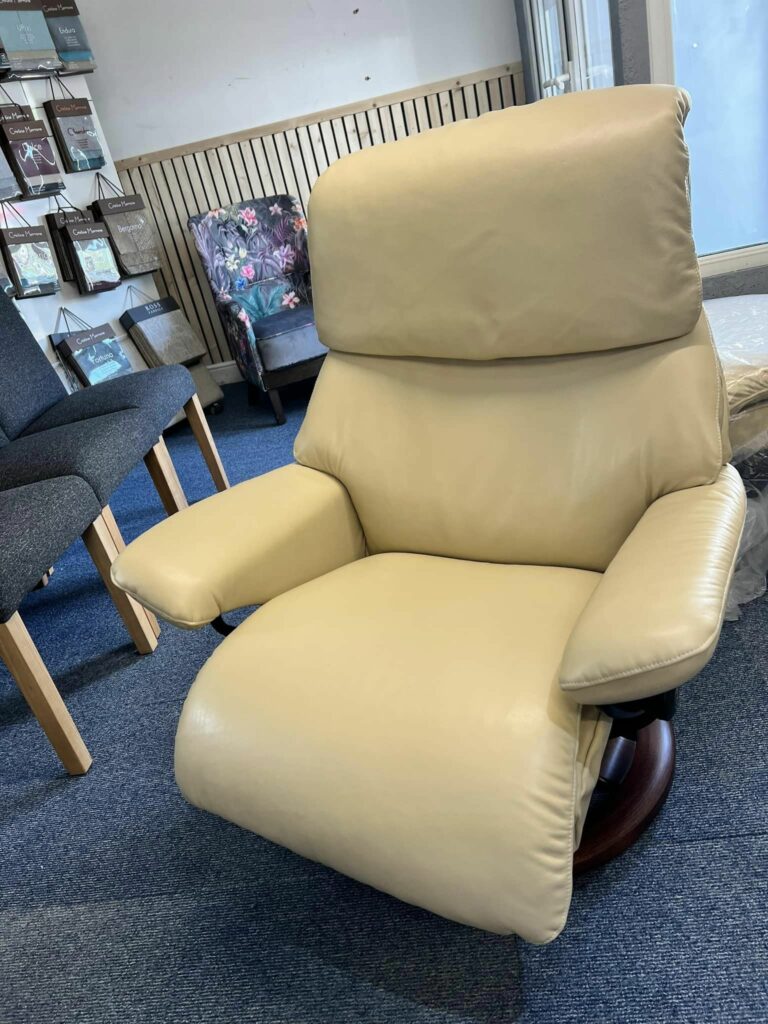
Leather Upholstery Choices From Deway
Understanding the value and timeless appeal of leather, it’s no wonder that Deway serves hundreds of customers who are clamouring after this sought-after fabric. What’s more, there’s such a wide range of options in various colours and styles that Deway is your one-stop shop for creating a unique and beautiful piece of furniture.
The Enduro range comes in 24 colours so there’s something to suit every decor style. What’s more, being made from a combination of PVC, cotton, polyester, and PU this faux leather material is cruelty-free and suitable for all lifestyles.
I love the Infinity collection which boasts some gorgeous neutral shades as well as some striking accent colours to give your home some character. Like the Enduro range, this faux leather material is vegan-friendly yet still boasts the durability of real leather, all with an elegant edge.
Or you might prefer the Memphis range which contains 28 stunning colours from bright to subtle. Made from PU and cotton, you’re getting faux leather with some natural qualities that bring you the best of comfort, durability and style.
Made from 100% polyester but with a leather touch, the Milano range is the epitome of chic. In a choice of five classic neutrals, this is the ideal range for those who want to add a touch of luxury to their home.
For ultimate class and style, try the Supremo collection. A selection of PU and cotton-based faux leather fabrics in an excellent choice of colours from brights and bolds to soothing earthy tones.
The Toro collection is superior when it comes to durability. This robust collection of faux leather fabrics is perfect for the family home and comes in a wonderful selection of shades that allow you to show off your style.
Finally, we have the Ultima range which marries the robust nature of leather with the soft comfort of cotton. Ideal for everyday sofas in all situations, this collection of fashionable colours will never lose its appeal.
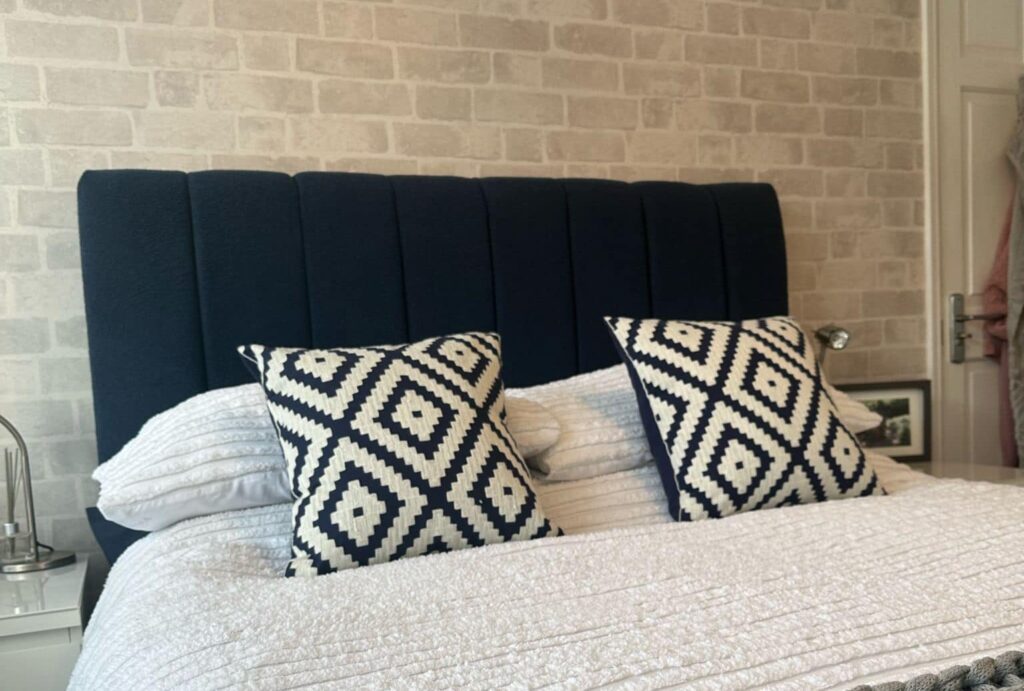
Upgrade Your Bedroom Decor: How to Reupholster A Headboard
The idea of redecorating your entire bedroom can be a little intimidating; not to mention the ridiculous cost of a total makeover. But something as simple as changing up your headboard can make a world of difference to the overall look and feel of the room.
And you don’t even need to buy a new headboard.
Reupholstering is a great way to give your bedroom a new lease of life. Plus, it’s much more affordable than redecorating the whole room and is an eco-friendly way of saving furniture.
Of course, if you’ve never reupholstered a headboard before, you might be scratching your head and wondering where to start. Don’t worry, we’ve got you covered with this ultimate guide on how to reupholster a headboard.
Why Reupholster Your Headboard: The Benefits
When it comes to finding furniture that works in your home, can be a time-consuming and expensive venture. Reupholstering items has a world of benefits and, before I get into the nitty-gritty of how to reupholster your headboard, I’d like to explore some of the advantages.
Save money
For starters, reupholstering is a great way to save money. Of course, there are costs associated with it but the great thing about this is that you’re in control of your budget.
With a whole host of fabric options, there’s something to suit every wallet and having your headboard reupholstered often works out cheaper than buying brand-new furniture.
Help The Environment
Did you know that nearly 700,000 tonnes of furniture goes into landfill every year? This has a significant effect on the environment and governments all over the world are pushing for people to be more eco-conscious.
Now, I understand that there is some furniture that’s beyond repair and, when it’s gotten to that time where it’s falling apart, there’s no hope. But if you have a perfectly good headboard frame, there’s no reason that it can’t be reupholstered and continue to be used for many years to come.
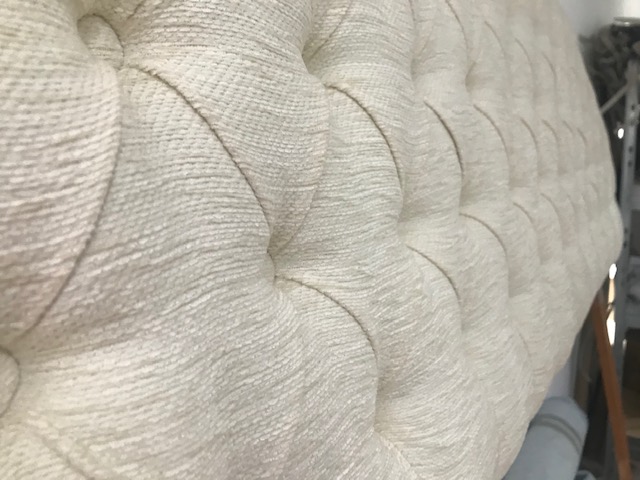
Show Off your Style
While the market is bursting with headboard choices, there is a limit to this. If you’re looking to create a bedroom that perfectly shows off your style then reupholstering your headboard is the way to go.
By doing this, you open up a world of hundreds of fabric choices, stitching styles and much more. You can essentially create a unique headboard that isn’t seen in every other home across the county.
Create A Brand New Look
Your headboard is often the focal point of your bedroom; you don’t need to change the whole decor of the room to give it a new look.
By adding a new texture and colour of fabric to your headboard, you instantly give the room life and create a whole new vibe. All this without the time, effort and money involved in a total makeover.
Fabric Choices: Which One Is Right For You?
One of the great things about reupholstery is that there’s an almost limitless choice when it comes to fabrics. Whether you want something durable and robust or a luxurious fabric that gives the room an air of class, there’ll be something that appeals to you.
I have written a complete guide on reupholstery fabrics which you can read here, but I’d like to touch upon the options in this post to give you an idea of which ones work best for headboard reupholstery.
- Faux leather is a great option if you want something timeless and classic. Not only does it create a contemporary feel, but faux leather is also very durable and easy to maintain.
- Linen is one of the most hard-wearing reupholstery fabrics and it’s a natural material so it’s breathable and won’t hold onto odours. That said, it is more difficult to keep clean than something like leather.
- Velvet is incredibly popular and has become something of a trend in recent years. It will give your bedroom a beautifully luxurious look. However, it’s worth keeping in mind that velvet can hold onto dust and pet dander so will need to be vacuumed regularly.
- Chenille is another excellent choice if you want a luxurious look. What’s more, it’s super soft and creates a cosy vibe for your bedroom. Do keep in mind that chenille is more likely to stain and will require deeper cleaning than some other fabrics.
- Cotton is a natural and breathable material that also boasts incredible durability. But like linen, cotton can hold onto stains and will require more maintenance.
Don’t forget that there is an endless number of choices in all types of fabric when it comes to colour and pattern. This is a great way to overhaul your bedroom aesthetic and create a focal point. Whether you’re looking for something classic and simple or a statement piece that instantly catches the eye, there will be a fabric that you fall in love with.
How To Reupholster A Headboard
It is possible to reupholster a headboard yourself. This involves removing the headboard from the bed or wall and taking measurements to ensure you cut the correct length of fabric.
You’ll then need to carefully measure and cut your fabric, leaving around 5 cm around the edges which will allow you to staple the material in place.
One of the trickiest parts of reupholstering your headboard is wrapping the fabric around the furniture and securing it in place. It’s usually best to start at the top of the headboard and hammer your tacks into place before moving down the sides, eventually ending up at the bottom.
It’s important to pull the fabric tight but not too tight as this can cause it to stretch. Once everything is secure, you’ll then need to use staples to finish off the job before removing any excess fabric.
The Professional Touch
It sounds like an easy DIY job, but headboard reupholstery does require a level of skill. If you’ve never done it before and can’t be sure that you’ll succeed, I would recommend hiring a professional for the job.
I’ll level with you, having a professional reupholstery company work on your headboard is going to be more expensive. But you have to keep in mind that the quality of the work is going to be far superior.
What’s more, there’s always a risk that, when you do it yourself, things may go wrong. You’ll then have to start from scratch, possibly purchasing new fabric and spending unnecessary money.
It’s also important to point out that a professional upholsterer will apply skills and methods that ensure longevity and the best aesthetic outcome. This means that you’ll have a headboard that will look high-end and will also stand the test of time.

The Deway Touch
Deway is proud to have been reupholstering headboards for many years and our experts guarantee the perfect results every time.
We have so many happy customers whose headboards have been taken from drab to fab and we’d love to take on your headboard as our next project.
Our team is dedicated to quality; just take a look at some of our before and after photos to see our high standards. We guarantee to give your bedroom the boost it deserves.
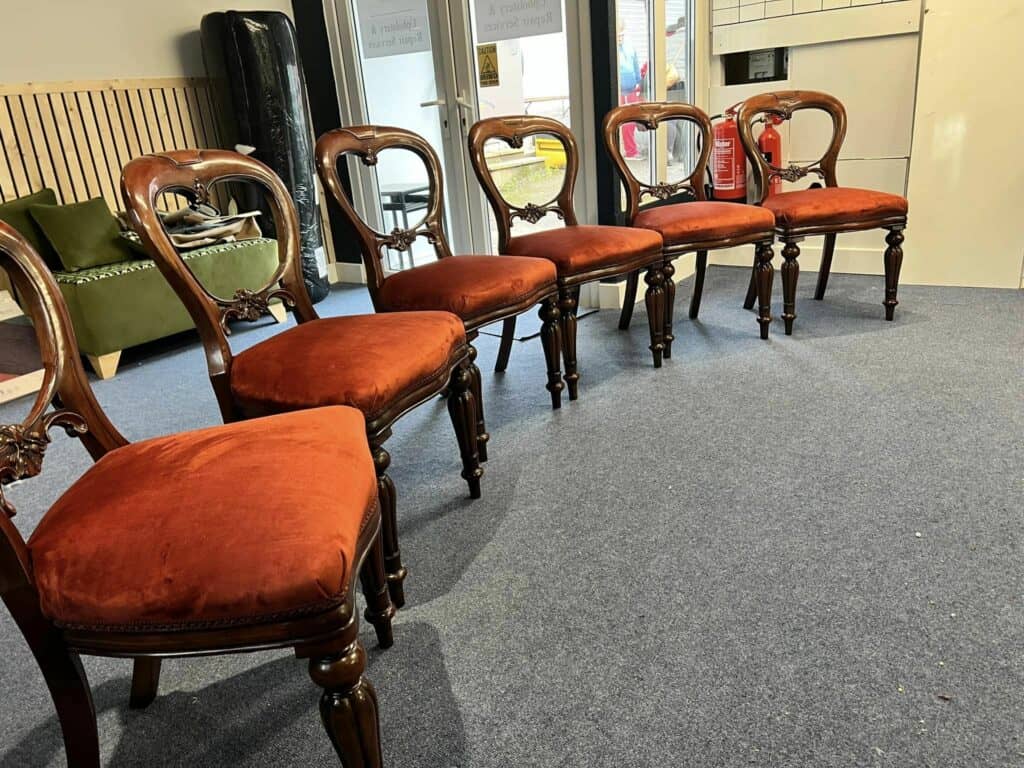
Upgrade Your Furniture: Exploring Fabric Choices For Reupholstering
Reupholstering your furniture is an amazing way to give it a new lease of life. What’s more, by doing this, you’re preventing your furniture from ending up in landfill so it’s always a more eco-friendly option.
But one of the biggest decisions people face when it comes to reupholstering chairs, sofas, headboards and the like is choosing the right fabric
Now, there’s no right or wrong answer when it comes to reupholstering fabric but there are pros and cons to each material. Which you choose will depend on many factors and I’ll discuss these along with some popular fabric choices in this guide. Let’s get started.
Things To Consider When Choosing Reupholstery Fabrics
Choosing the right fabric to reupholster chairs, sofas and other furniture is one of the most important interior decor decisions you’ll ever make. Get it spot on and you’ll enjoy furniture that’s practical, comfortable and durable. But get it wrong and it’s a decision you might live to regret.
Before I start talking about the various fabric options, I’d like to give you a few tips on how to choose. By considering these things, you’ll be more likely to select a fabric that’s going to add character and charm to your home as well as something that’ll fit in with your lifestyle.
- First things first, I’d strongly recommend considering your personal preference. The texture of certain fabrics can be appealing to one person but may be an issue for those with sensory issues. Before making a decision, I’d always urge people to check out some swatches to get a feel for the fabric.
- Of course, you’re also going to want to enjoy the visual appeal of your chosen fabric so, when browsing options, consider colour and pattern. If you’re looking to create an accent piece then opt for something bright and unique. On the other hand, many people like to choose something in a neutral colour for that timeless appeal.
- When it comes to lifestyle, the type of fabric you choose will make a huge difference. For example, if you have children or pets, something like leather, which is easy to wipe down and won’t stain is going to be more practical.
- You’ll also need to consider what you want to spend. Natural materials are typically more expensive than synthetic ones. That’s not to say that synthetic materials are bad, there are many excellent options but knowing the price difference can help you to narrow down options that will fit into your budget.
- It’s also important to think about how often the furniture will be used. For something that will get daily use, a more durable, hard-wearing fabric is preferable. On the other hand, if you’re looking to reupholster an occasional piece, you’re more free to choose something luxurious.
Fabric Options For Reupholstery
When it comes to fabric for reupholstering furniture, the options are limitless. Not only is there a huge choice of fabrics but they come in a range of colours, patterns and styles to give your home a unique look. While keeping the points in the previous section in mind, here comes my guide to some of the most popular fabric options and their pros and cons.
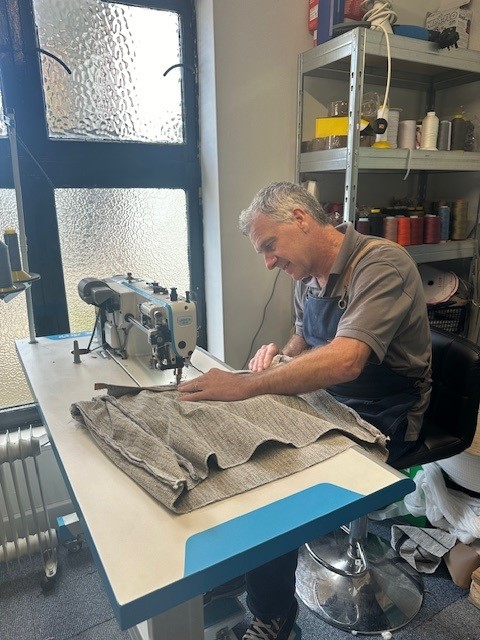
Faux Leather
Leather is one of the most popular and timeless fabrics for reupholstery and this is largely because of how easy it is to maintain.
By its very nature, leather and faux leather are extremely easy to clean; simply wipe them over with a damp cloth. This makes it a fantastic idea for families or homes that have pets.
What’s more, leather is a very durable material (just check out the Enduro range to see what I mean) that’s not as prone to rips and tears as other fabrics. Of course, you will need to take good care of it if you want the greatest longevity but this involves minimal work such as lightly vacuuming and using a soft cloth to clean the material.
However, you do have to consider that leather and faux leather are not very breathable materials. If you’ve ever sat on a leather couch in hot weather while wearing shorts, you’ll know what I mean. While this isn’t an issue for some, other people find this quite off-putting.

Linen
Linen is a natural material and it is well known for how breathable it is (why do you think so many summer clothes are made from linen?)
As well as being breathable, linen also has the advantage of being very hard-wearing and easy to care for. Light stains can be removed using a soft cloth and mild detergent but be careful not to scrub too hard as this can damage the material.
The Bacio range comes in a fantastic selection of colours, giving everyone the chance to own a beautiful linen couch, regardless of their decor or personal preference.
One thing I would say, however, is that linen does tend to crease and wrinkle easily. For this reason, I’d recommend this fabric for occasional furniture.
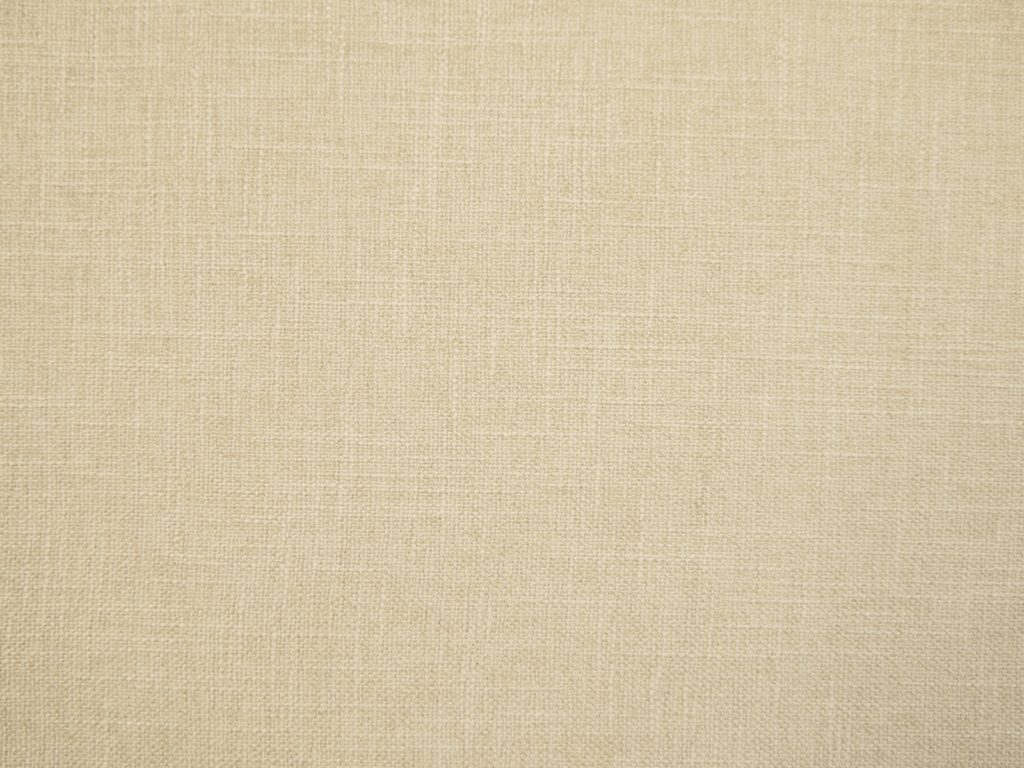
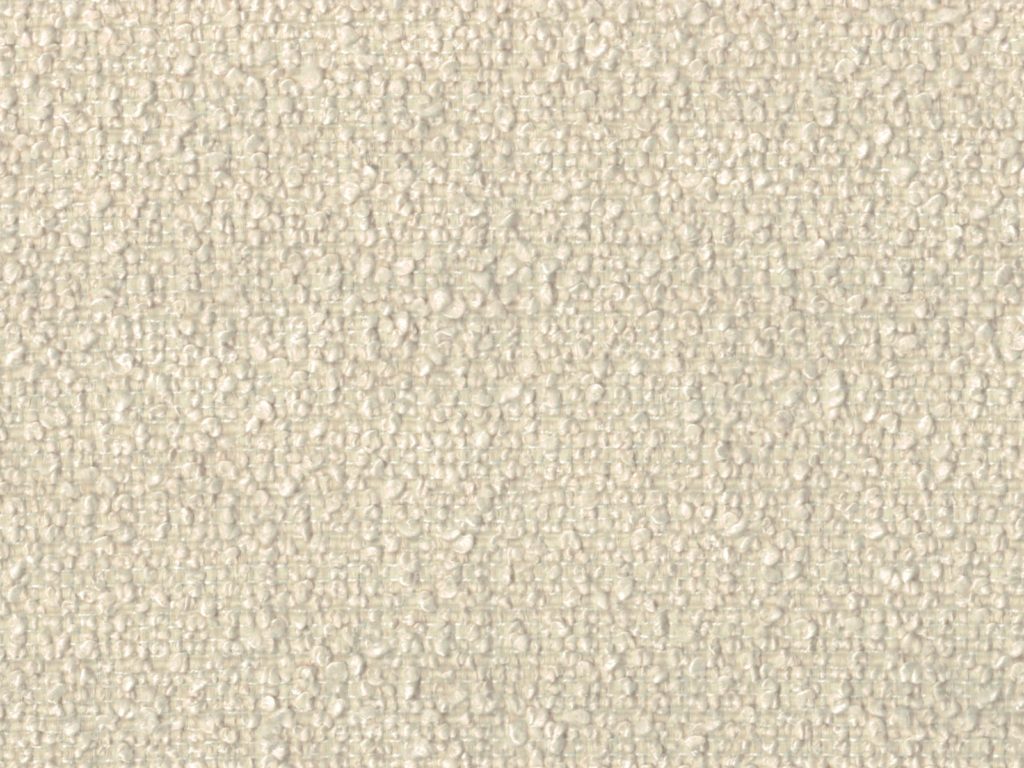
Boucle
If you’re looking for a comfortable yet robust fabric then a boucle might be right up your street. This is a relatively new fabric considering it was only invented in the late 40s but it’s become one of the most well-loved.
Boucle offers cosiness thanks to its looped weave and comes in a wonderful choice of colours.
For everyday furniture, a boucle is a great choice as it takes years before it starts to show any signs of wear and tear. What’s more, it’s pretty easy to clean.
That said, I should warn you that, owing to the looped fabric, this might not be the best option for homes with pets as those sharp claws can easily cause snags.
Chenille
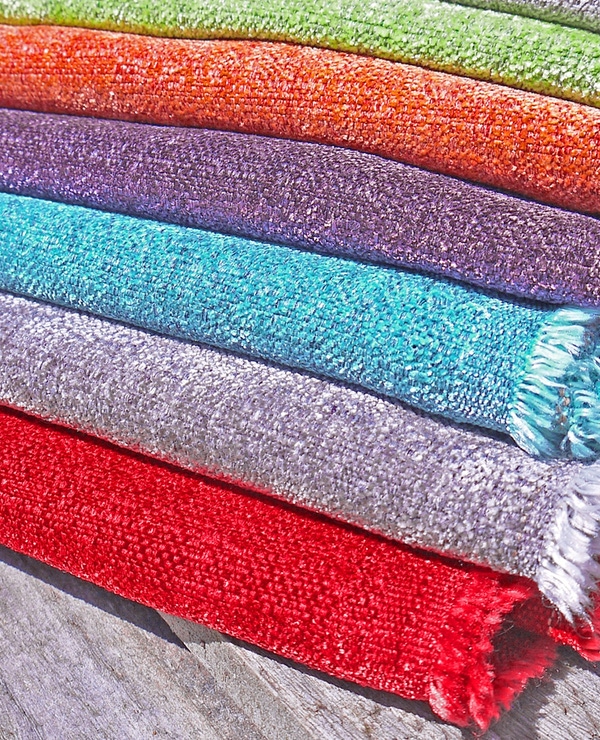
Chenille fabric is one of the most popular choices for those looking for ultimate comfort and cosiness. This material is soft to the touch and surprisingly durable for something so snuggly.
There’s something luxurious about a chenille settee and, no matter what your style preference, there’ll be a colour or pattern you’ll love. I love the Lana plaid range which gives a classic look to furniture.
If there’s one thing I would say about chenille, however, it’s that this fuzzy material does hold onto stains more freely than other fabrics. So, if you have children or pets, this might be an option for later down the line.
Velvet
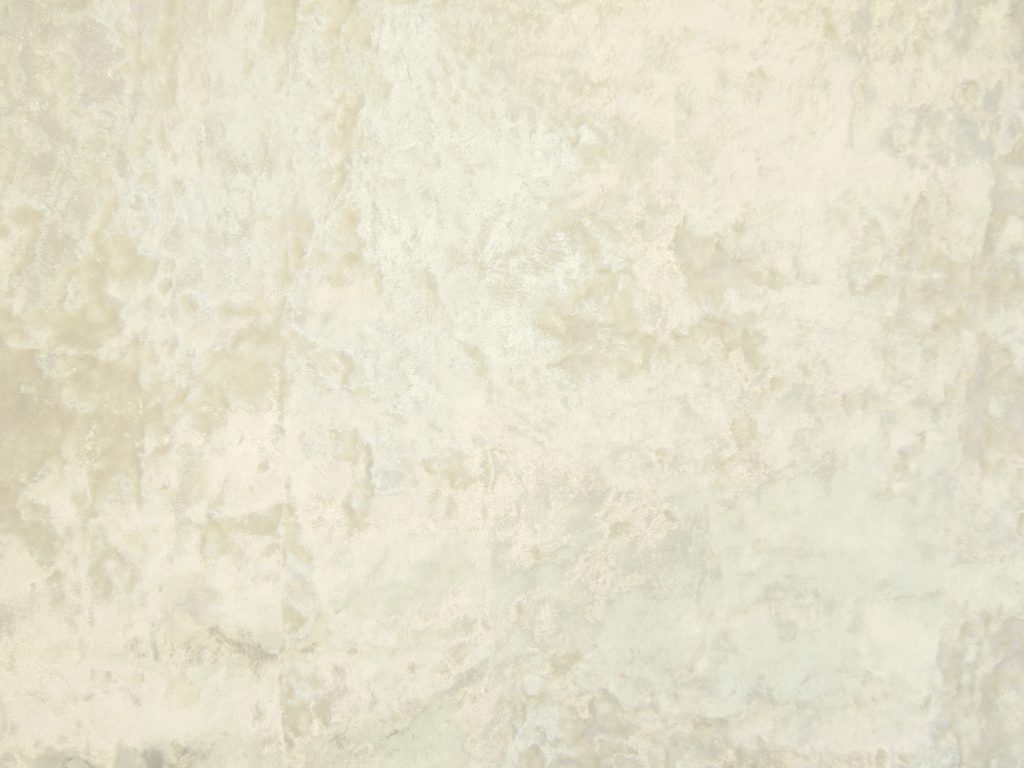
In recent years, velvet has become one of the most frequently purchased types of reupholstery materials and it’s seen in homes all over the UK. But why is it so well-loved?
Well, for starters, this is an incredibly soft material with a beautiful sheen that gives your furniture a super luxurious aesthetic.
What’s more, velvet is incredibly durable and, since there are no threads, it won’t snag or pull easily.
However, this material is known to attract pet hair and dust so it will require more regular cleaning than something like leather.
Suede
I’m going to start by saying that suede is one of the most demanding materials to take care of. If you’re not willing to maintain your couch then this isn’t a material I would recommend. What’s more, this natural cousin of leather is more likely to hold onto stains so it might not be ideal for families or furniture that’s going to be heavily used.
Now onto the reasons that suede has become such a popular choice as a reupholstery fabric.
For starters, this is a super soft material that’s breathable and lightweight. It’ll stay cool in summer and keep you cosy in winter so it’s one of the most versatile on this list.
What’s more, suede is resistant to wear and will retain its shape over time. So, as long as you’re willing to put in the work to keep it looking good, it’s a material that will stand the test of time.

What’s The Most Durable Fabric For Reupholstery?
If you’ve got a family or are looking for a fabric that will stand up to everyday use then we’d recommend something with a high rub-count. A rub test is a method of assessing the durability (or ‘abrasion resistance’) of a fabric. During the test, a specialist machine vigorously rubs the fabric. When the fabric begins to show signs of wear and tear, the test finishes by counting the number of ‘rubs’ up to that point. This gives a textile a ‘rub count’.
Therefore, picking a fabric with a higher rub count would suggest that the fabric is more durable and will wear more slowly compared with fabrics that have a lower rub count. For example, our Toro fabric has a rub-count of 750,000 making it one of the most durable faux leathers.
Which Fabric is Easiest to Clean?
Our EasyClean fabrics, such as our Destino, Cantare and Finesse fabrics are perhaps the easiest fabrics to keep clean because it’s merely a case of wiping it down with a damp, soft cloth. Some of these easy clean fabrics are machine washable.
EasyClean fabrics are coated in a NanoClean coating which resists staining. Even the most stubborn of stains, such as ink, can be effortlessly removed, the new finishing of the chenille yarns takes care of that. This is achieved without applying any additional film coating to the fabric but by incorporating it into the yarns at the production stage. In doing so, every yarn is coated with the latest stain protection and we always use the very latest technologies in the process. Yet the appearance of this fabric doesn’t give away anything in terms of its extreme durability and hardware quality.
There are also many stain-resistant types of velvet, linen, and suede on the market these days that give you the luxurious feeling of a high-end couch without the risk of it being ruined if someone spills their drink. Why not get in touch to find out more about our range of easy-to-clean fabrics?

Upgrade Your Seating: Finding the Ideal Sofa Cushion Filling
Have you ever sat on a sofa and wondered how it’s so uncomfortable? Much of this is to do with the type of filling used in the seat cushions, and there are probably many more choices than you might have imagined.
There are lots of things to think about when it comes to choosing the best settee cushion fillers. I would say that this decision is perhaps even more important than your choice of upholstery fabric so it’s essential to get it right.
The type of material you use to replace cushion foam on a couch is incredibly important. While there aren’t as many choices compared to the hundreds of options for upholstery fabric, don’t let this deceive you. There are some clear pros and cons to each of them.
Fibre
If you’re looking for something super comfortable and squishy then fibre could be the right option for you. In terms of comfort, it’s one of the most superior and, what’s more, it’s light and has excellent breathability.
What’s more, fibre has many of the same qualities (like softness and plumpness) as feather or down. But because of its nature, it is hypoallergenic and suitable for those who would suffer when using a feather filling.
The way that these fibres are made means that each strand contains air so when you sit on the cushion, you automatically sink into it, giving you an extremely cosy experience. However, the problem with this is that it means the cushions will mould to your shape so you’ll need to spend a good amount of time replumping them if you want to keep them looking their best.
Foam
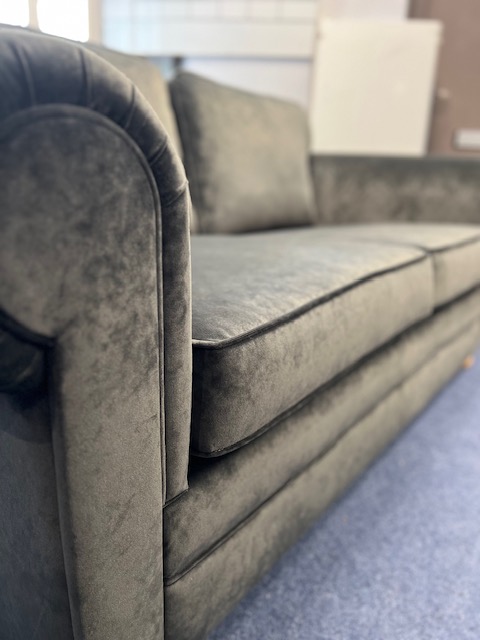
Foam is one of the most popular choices of cushion fillings since it is so supportive and firm. If you’re someone who doesn’t want to sink into your sofa and requires additional support for back or muscle problems, I’d highly recommend foam.
It’s easy to replace foam cushions with a fresh foam filling but this isn’t something you’ll need to do very often as it’s pretty durable and will pop back into shape. This also means much less maintenance than fibre and you’ll probably only need to plump the cushions once a week. Of course, this depends on how frequently the couch is used.
Another great thing about foam is that it comes in a range of densities. This means you can opt for something of a higher density for greater firmness, or similarly, go for a lower density for a softer and squishier feel.
Down Or Feather
When you hear the words feather and down, I can imagine you’ll be thinking of luxury. These materials are indeed more expensive than others, you’re getting a naturally springy material that’ll mould to your shape for ultimate comfort.
One of the downsides to feather fillings is that the material doesn’t spring back as quickly as foam so you will need to plump it more regularly, or risk having loose covers and saggy-looking cushions.
That said, down and feather are naturally insulating so they’re ideal when you’re going for a cosy feeling. On top of that, this material, when well-maintained, offers a luxurious and plump look; perfect for an occasional sofa.
Note that there are options when it comes to feather and down. In most cases, duck feathers are used. Duck feather and down usually means around 15% down and 85% feathers while duck down and feather means equal amounts of each filling.
Since this is a natural, animal-based material, you should also keep in mind that it isn’t hypoallergenic or vegan-friendly.
Combinations
Looking at the above options, it’s easy to see that there are good and bad points about each filling material. But there are ways that you can get the best of both worlds by combining certain materials for the ultimate in comfort, durability and aesthetics.
You might choose a foam filling surrounded by feathers. The great thing about this is that you still get that luxurious feel while also benefiting from the support of the foam. If you’re allergic to feathers then it’s also possible to choose foam wrapped in synthetic fibres for the same benefits while also being hypoallergenic.
Another option is to go for feather and fibre which provides you with superior luxury. However, this is one of the most high-maintenance fillings and you will need to be prepared to plump daily.
When it comes to choosing your sofa cushion fillings, there are lots of things to think about. If you get it right, you’ll be rewarded with a piece of furniture that offers the perfect amount of comfort, support and durability. But if you get it wrong, you’ll find yourself sitting on a couch that just doesn’t feel right; and nobody wants to be Goldilocks!
Durability
If you’re anything like me, I want sofa cushions that are going to be low-maintenance. I don’t want to spend half of my time plumping up my sofa. But I know that some people are reading this that won’t find regular plumping a problem and this is something to seriously consider.
Foam is an excellent choice if you want a filling that can be left alone. It only needs to be plumped once a week and you may get away with doing it even less frequently if you’re refilling the cushions on an occasional settee.
Things like feather and down require much more attention so you’ll need to be willing to give them daily TLC if you want your furniture to look in tip-top conditions all the time. Not doing this could result in a lumpy, bumpy couch that ends up not being very comfortable.
Comfort
Comfort can be a very personal thing. I know people that like to sleep on a bed that’s as hard as a plank of wood while others need something they’ll sink into like a cloud. The same can be said for sofa cushion fillings.
High-density foam provides you with a very firm seat but, if you like the idea of foam and don’t want something solid, you can simply opt for a lower density.
Many people enjoy the squishy comfort of fibre or feather and, depending on your preference for natural or synthetic fillings, you can choose between the two for the same results.
Support
I have just talked about high-density foam which is a popular option for people who want excellent back support.
However, if you’re happy to have something less supportive then the luxurious feeling of feather and down might be right for you.
That said, because of the soft nature of these materials, it has been said that prolonged use of a sofa that’s too squishy can lead to back pain and poor posture so this is something to keep in mind.
Price
Let’s face it, we all know that feather fillings are among the most expensive. But, being a natural material, that’s to be expected. What’s more, they come with a ton of advantages which means that a lot of people don’t mind paying the price.
But if you’re shopping on a budget then you might prefer to go for something like foam which is much more affordable.
That said, I would urge you to consider your new cushion filling as an investment. Experts agree that, while fibre isn’t natural, it does have far greater durability than feather so if you’re looking for something that’ll stand the test of time, this is something to consider.
What About Flammability?
All soft furnishings in the UK must meet flammability standards so there’s always that level of confidence when you’re buying.
If you’re choosing duck feathers, you must make sure that the material meets these standards as they could pose a risk otherwise. That said, it’s more common for feathers to smoulder rather than ignite.
Foam is known to be more flammable when it has a lower density so if you want something that’s going to be super safe, it might be worth choosing a higher density. Again, provided that UK standards are met, there shouldn’t be too much to worry about.
Final Thoughts
Having your furniture reupholstered means making several choices that will impact your comfort over the coming years. For this reason, it’s essential to make an informed decision as each sofa cushion filling has its advantages and drawbacks.
What is Upholstery? A Simple Guide To Furniture Restoration
When you’ve got a perfectly good piece of furniture, it makes no sense to throw it out when, with a bit of skill and the right fabric, you could make it like new.
Not only is furniture reupholstery a great way to save money instead of buying new pieces, but it’s also an eco-friendly option as your sofa won’t end up in the landfill.
If you’re looking to have your furniture reupholstered but this is your experience, this guide is for you.
What is Upholstery?
The term upholstery refers to the soft materials used to craft a piece of furniture. This includes the filling of the cushions and seats as well as the fabric used to cover the furniture. Other materials that come under upholstery include springs and webbing. Essentially, it’s everything apart from the framework of your piece.
Upholstery is something that was first employed during the Middle Ages and was developed over the following centuries with new materials being used to improve comfort and durability.

What Are The Benefits Of Upholstered Furniture?
Before upholstery became popular, people were sitting on very uncomfortable, hard furniture. These pieces do have their place and serve a purpose but when it comes to being able to relax, upholstered furniture really is the way to go.
Comfort and softness are two of the biggest benefits of upholstery but you also have to consider that this type of furniture is also incredibly versatile.
In terms of fabric, colour and shape, there are almost limitless choices, giving you the ability to create a piece that’s totally unique to your home.
Upholstery Choices
One of the wonderful things about upholstery is the sheer number of choices you have. When you purchase a mass-produced sofa, dining chair, headboard or other similar piece, you end up with something that’s seen in homes across the country.
But with reupholstering, you can create a bespoke piece that’ll become a real talking point in your home.
In terms of fabric, it is said that there are hundreds of choices. Natural materials like cotton, wool, linen, leather, hemp and silk are all popular. However, synthetic materials like polyester, acrylic and nylon are also commonly used.
You also need to consider that there are a wide range of choices when it comes to fillings. Foam is a common option but so are things like down, feather, cotton batting and horsehair.
Most Commonly Asked Upholstery Questions
The answer to this question is the same as the answer to how long is a piece of string. When it comes to reupholstering a sofa, there’s no clear-cut price.
Every project will be different depending on the age of the furniture, its size and current condition (repairs to the frame may be necessary), the type of material you’re going for and various other factors.
However, with that in mind, it is possible to look at certain figures to give you a clearer idea of what to expect in terms of cost.
Depending on the fabric, you can expect to pay between £25 and £65 per metre with £45 being average. But you also have to consider any extras such as repairs or embellishments which could cost anywhere from £50 to £150 each.
On top of the materials, your upholsterer will also charge a labour fee. Now, this can be a very grey area since different companies have varying fees based on things like travel, their experience and expertise and the size of furniture they’re working on.
Normally, reupholstery will charge based on the individual item as opposed to charging an hourly rate.
Generally speaking, you can expect to pay no less than £800 to have your couch reupholstered based on the labour fees. But oftentimes, the price can be significantly higher once you factor in materials. That said, when you’re using a strong frame, even spending £3000-4000 (at the higher end of the scale) is worth the money as it gives life to old furniture and reduces landfill.
At the time of writing, it is estimated that around 22 million pieces of furniture end up in landfill every year.
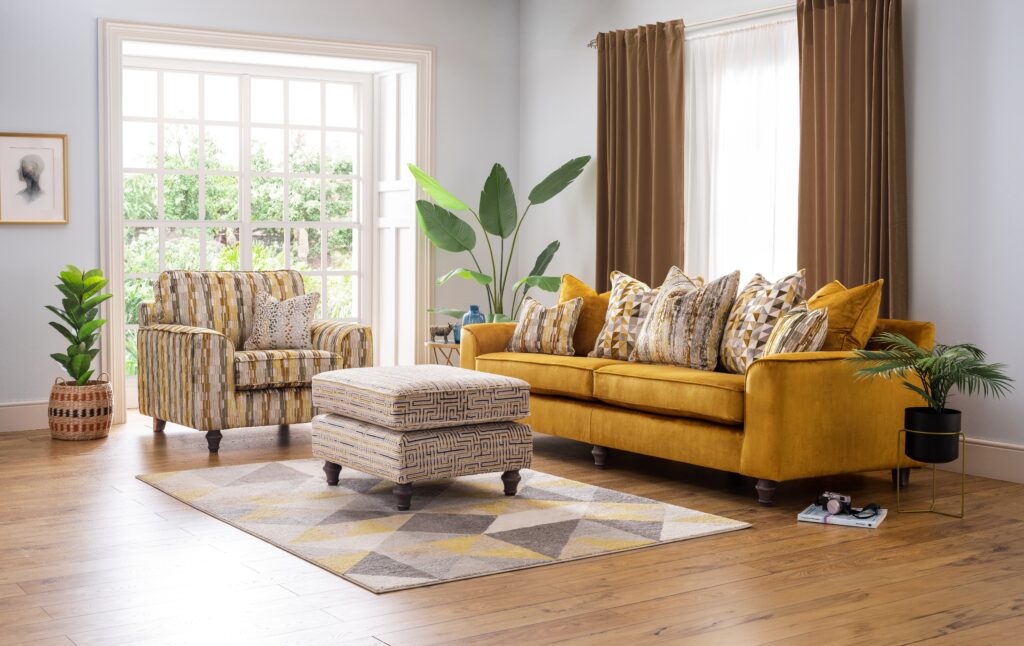
How Much Does It Cost To Reupholster A Leather Couch?
Leather is an incredibly popular choice when it comes to furniture reupholstery with thousands of new leather sofas being sold in the UK every year.
Opting for leather means a soft fabric that’s easy to clean and doesn’t hold odours or stains. What’s more, with such a wide range of colours and styles, leather is a timeless option.
The cost of reupholstering a leather couch in the UK generally sits around £750 for a two-seater and £850 for a three-seater. But again, you have to consider the type and quality of the leather you’ve chosen as this will have a major impact on the overall cost.
With such an enormous number of choices of upholstery fabrics, it’s no wonder that people are left scratching their heads. Here are my top tips for choosing a fabric that’s perfect for you and your home.
- Think about colour; which ones do you like and what will fit in with your current decor? If you regularly change the theme and style of your home, it may be worth opting for a neutral colour that will be timeless. On the other hand, choosing a bright colour or striking pattern can make for the perfect accent piece.
- Consider how much usage the piece will get. Some fabrics offer more durability than others so while a frequently used sofa may be better covered in robust linen, an occasional dining chair could be treated to the luxury of silk or velvet. Anything with a high thread count is going to be more durable so go for woven fabrics if you’re looking for a family-friendly couch material.
- If you have children, you’ll want a fabric that’s easy to clean. Leather or faux leather is a popular option as it’s wipeable and doesn’t hold onto stains.
- Always think about your budget. Some materials cost more per metre than others (I’ll talk more about price later on).
- Many people are tempted by trends and while there’s nothing wrong with this, you run the risk of spending a fortune on the latest upholstery fashion only to find that you don’t like the design 12 months down the line.
- Think about the feel of the material. I know people who can’t stand the feel of velvet or leather on their skin. If there are fabrics that make you feel as though someone has just run their fingers down a blackboard, they’re probably best avoided. Use swatches to get a feel for the material before you buy.
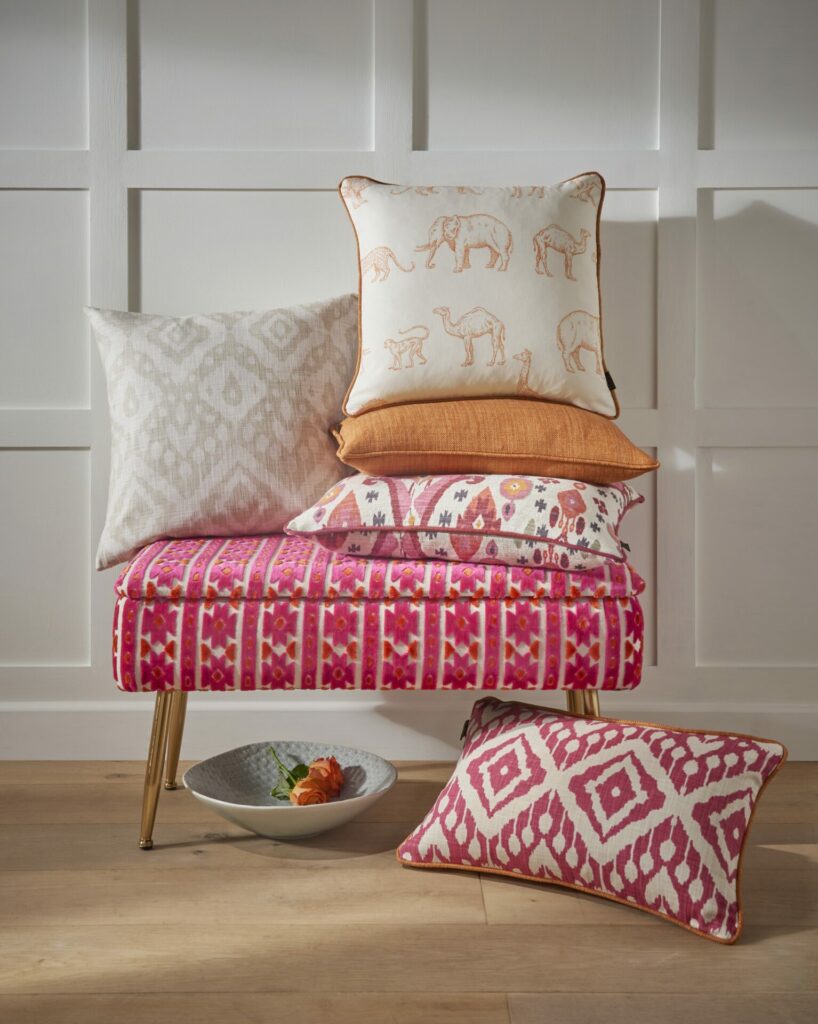
What is the Martindale method?
When it comes to reupholstering furniture, one of the terms you may have stumbled across is the Martindale Method.
Now, for someone who’s having their very first experience with furniture restoration, these jargon terms can feel overwhelming. It’s important that you understand them as this knowledge will help ensure you end up with a piece that will be pleasing for years to come.
The Martindale Method refers to a process by which the upholstery fabric is tested by rubbing it against an abrasive surface. The fabric is then scored and this tells you how durable the material is and how much abrasion it can withstand before it starts to show signs of wear.
When purchasing fabric for reupholstery, durability is a really important thing to be aware of, especially if the furniture will be heavily used or if you have children.
Before opting for a luxurious upholstery fabric, I would urge you to keep in mind that your needs will determine the best type of fabric for you in terms of durability.
However, for those who don’t have the hassle of kids messing up the furniture or, if you’re looking to reupholster an occasional piece, then choosing a luxury fabric can give your settee or chair something special.
There are lots to choose from but velvet is often a firm favourite for luxury lovers. It offers the perfect blend of softness, durability and a cosy feel. Plus, it’s easy to clean using a brush.
Some people would also argue that linen is a great luxury fabric for upholstery purposes and I would agree. Not only is this a natural and breathable material but it also boasts superior durability so you are getting the best of both worlds.
How Do I Test Upholstery Fabrics Before Committing?
If you’re considering reupholstering your dining room chairs, headboard, sofa, or any other piece of furniture, the last thing you want is to go with a fabric that you end up hating the feel of.
That’s why all good upholsterers offer swatches which allow you to get a look and feel for the fabric before it’s installed on your furniture.
Since the options for reupholstery are seemingly endless, I would recommend trying several swatches before making a final decision. Even if you feel as though you have your heart set on chenille, you may find that, after touching the swatch, you prefer something like suede or leather.
We get it; if you’re looking to have your couch reupholstered, the last thing you want is to go a ridiculous amount of time without sitting in your home.
It’s important to keep in mind that reupholstering is skilled work and, for the best results, does take time.
As a rule of thumb, the whole process of reupholstering a sofa takes around 2-3 weeks. But this is based on making a reservation for the service and normally, your furniture will only be away for a maximum of 2-3 weeks – usually much less.
In most cases, your settee will be collected and delivered back to your home, making things incredibly convenient. Consider that the average wait for a new sofa is around 12 to 16 weeks and this makes reupholstering an even more attractive option.