
Upgrade Your Seating: Finding the Ideal Sofa Cushion Filling
Have you ever sat on a sofa and wondered how it’s so uncomfortable? Much of this is to do with the type of filling used in the seat cushions, and there are probably many more choices than you might have imagined.
There are lots of things to think about when it comes to choosing the best settee cushion fillers. I would say that this decision is perhaps even more important than your choice of upholstery fabric so it’s essential to get it right.
The type of material you use to replace cushion foam on a couch is incredibly important. While there aren’t as many choices compared to the hundreds of options for upholstery fabric, don’t let this deceive you. There are some clear pros and cons to each of them.
Fibre
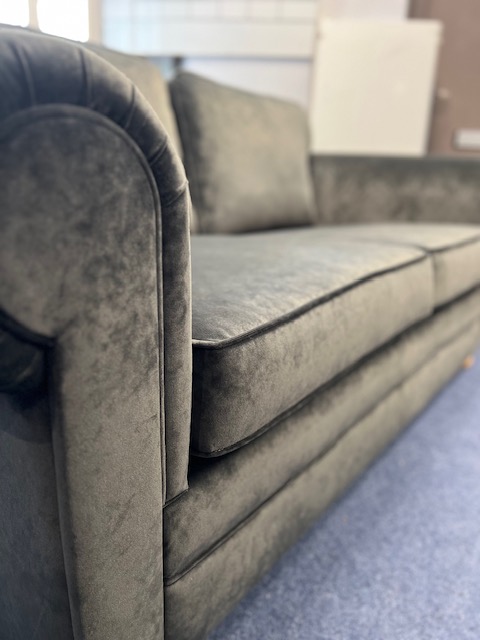
If you’re looking for something super comfortable and squishy then fibre could be the right option for you. In terms of comfort, it’s one of the most superior and, what’s more, it’s light and has excellent breathability.
What’s more, fibre has many of the same qualities (like softness and plumpness) as feather or down. But because of its nature, it is hypoallergenic and suitable for those who would suffer when using a feather filling.
The way that these fibres are made means that each strand contains air so when you sit on the cushion, you automatically sink into it, giving you an extremely cosy experience. However, the problem with this is that it means the cushions will mould to your shape so you’ll need to spend a good amount of time replumping them if you want to keep them looking their best.
Foam
Foam is one of the most popular choices of cushion fillings since it is so supportive and firm. If you’re someone who doesn’t want to sink into your sofa and requires additional support for back or muscle problems, I’d highly recommend foam.
It’s easy to replace foam cushions with a fresh foam filling but this isn’t something you’ll need to do very often as it’s pretty durable and will pop back into shape. This also means much less maintenance than fibre and you’ll probably only need to plump the cushions once a week. Of course, this depends on how frequently the couch is used.
Another great thing about foam is that it comes in a range of densities. This means you can opt for something of a higher density for greater firmness, or similarly, go for a lower density for a softer and squishier feel.
Down Or Feather
When you hear the words feather and down, I can imagine you’ll be thinking of luxury. These materials are indeed more expensive than others, you’re getting a naturally springy material that’ll mould to your shape for ultimate comfort.
One of the downsides to feather fillings is that the material doesn’t spring back as quickly as foam so you will need to plump it more regularly, or risk having loose covers and saggy-looking cushions.
That said, down and feather are naturally insulating so they’re ideal when you’re going for a cosy feeling. On top of that, this material, when well-maintained, offers a luxurious and plump look; perfect for an occasional sofa.
Note that there are options when it comes to feather and down. In most cases, duck feathers are used. Duck feather and down usually means around 15% down and 85% feathers while duck down and feather means equal amounts of each filling.
Since this is a natural, animal-based material, you should also keep in mind that it isn’t hypoallergenic or vegan-friendly.
Combinations
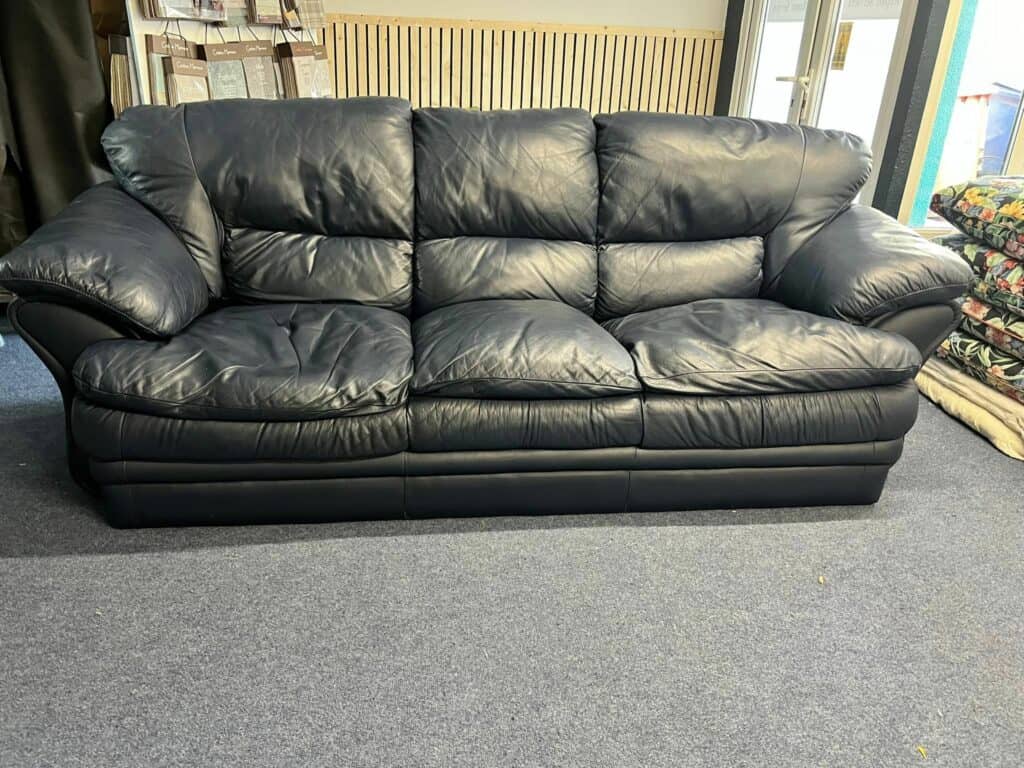
Looking at the above options, it’s easy to see that there are good and bad points about each filling material. But there are ways that you can get the best of both worlds by combining certain materials for the ultimate in comfort, durability and aesthetics.
You might choose a foam filling surrounded by feathers. The great thing about this is that you still get that luxurious feel while also benefiting from the support of the foam. If you’re allergic to feathers then it’s also possible to choose foam wrapped in synthetic fibres for the same benefits while also being hypoallergenic.
Another option is to go for feather and fibre which provides you with superior luxury. However, this is one of the most high-maintenance fillings and you will need to be prepared to plump daily.
When it comes to choosing your sofa cushion fillings, there are lots of things to think about. If you get it right, you’ll be rewarded with a piece of furniture that offers the perfect amount of comfort, support and durability. But if you get it wrong, you’ll find yourself sitting on a couch that just doesn’t feel right; and nobody wants to be Goldilocks!
Durability
If you’re anything like me, I want sofa cushions that are going to be low-maintenance. I don’t want to spend half of my time plumping up my sofa. But I know that some people are reading this that won’t find regular plumping a problem and this is something to seriously consider.
Foam is an excellent choice if you want a filling that can be left alone. It only needs to be plumped once a week and you may get away with doing it even less frequently if you’re refilling the cushions on an occasional settee.
Things like feather and down require much more attention so you’ll need to be willing to give them daily TLC if you want your furniture to look in tip-top conditions all the time. Not doing this could result in a lumpy, bumpy couch that ends up not being very comfortable.
Comfort
Comfort can be a very personal thing. I know people that like to sleep on a bed that’s as hard as a plank of wood while others need something they’ll sink into like a cloud. The same can be said for sofa cushion fillings.
High-density foam provides you with a very firm seat but, if you like the idea of foam and don’t want something solid, you can simply opt for a lower density.
Many people enjoy the squishy comfort of fibre or feather and, depending on your preference for natural or synthetic fillings, you can choose between the two for the same results.
Support
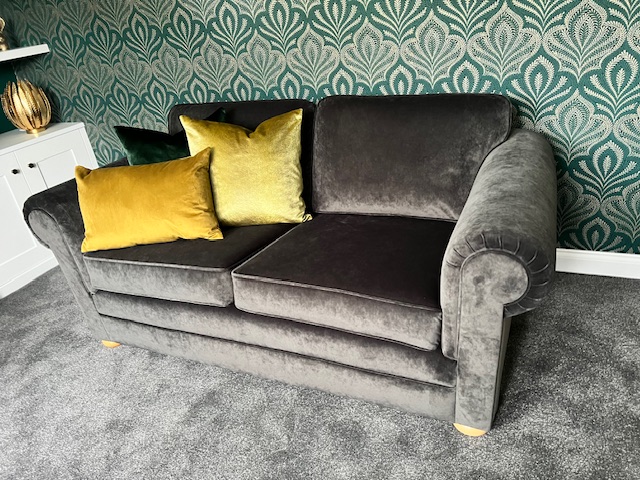
I have just talked about high-density foam which is a popular option for people who want excellent back support.
However, if you’re happy to have something less supportive then the luxurious feeling of feather and down might be right for you.
That said, because of the soft nature of these materials, it has been said that prolonged use of a sofa that’s too squishy can lead to back pain and poor posture so this is something to keep in mind.
Price
Let’s face it, we all know that feather fillings are among the most expensive. But, being a natural material, that’s to be expected. What’s more, they come with a ton of advantages which means that a lot of people don’t mind paying the price.
But if you’re shopping on a budget then you might prefer to go for something like foam which is much more affordable.
That said, I would urge you to consider your new cushion filling as an investment. Experts agree that, while fibre isn’t natural, it does have far greater durability than feather so if you’re looking for something that’ll stand the test of time, this is something to consider.
What About Flammability?
All soft furnishings in the UK must meet flammability standards so there’s always that level of confidence when you’re buying.
If you’re choosing duck feathers, you must make sure that the material meets these standards as they could pose a risk otherwise. That said, it’s more common for feathers to smoulder rather than ignite.
Foam is known to be more flammable when it has a lower density so if you want something that’s going to be super safe, it might be worth choosing a higher density. Again, provided that UK standards are met, there shouldn’t be too much to worry about.
Final Thoughts
Having your furniture reupholstered means making several choices that will impact your comfort over the coming years. For this reason, it’s essential to make an informed decision as each sofa cushion filling has its advantages and drawbacks.