Upgrade Your Furniture: Exploring Fabric Choices For Reupholstering
Reupholstering your furniture is an amazing way to give it a new lease of life. What’s more, by doing this, you’re preventing your furniture from ending up in landfill so it’s always a more eco-friendly option.
But one of the biggest decisions people face when it comes to reupholstering chairs, sofas, headboards and the like is choosing the right fabric
Now, there’s no right or wrong answer when it comes to reupholstering fabric but there are pros and cons to each material. Which you choose will depend on many factors and I’ll discuss these along with some popular fabric choices in this guide. Let’s get started.
Things To Consider When Choosing Reupholstery Fabrics
Choosing the right fabric to reupholster chairs, sofas and other furniture is one of the most important interior decor decisions you’ll ever make. Get it spot on and you’ll enjoy furniture that’s practical, comfortable and durable. But get it wrong and it’s a decision you might live to regret.
Before I start talking about the various fabric options, I’d like to give you a few tips on how to choose. By considering these things, you’ll be more likely to select a fabric that’s going to add character and charm to your home as well as something that’ll fit in with your lifestyle.
- First things first, I’d strongly recommend considering your personal preference. The texture of certain fabrics can be appealing to one person but may be an issue for those with sensory issues. Before making a decision, I’d always urge people to check out some swatches to get a feel for the fabric.
- Of course, you’re also going to want to enjoy the visual appeal of your chosen fabric so, when browsing options, consider colour and pattern. If you’re looking to create an accent piece then opt for something bright and unique. On the other hand, many people like to choose something in a neutral colour for that timeless appeal.
- When it comes to lifestyle, the type of fabric you choose will make a huge difference. For example, if you have children or pets, something like leather, which is easy to wipe down and won’t stain is going to be more practical.
- You’ll also need to consider what you want to spend. Natural materials are typically more expensive than synthetic ones. That’s not to say that synthetic materials are bad, there are many excellent options but knowing the price difference can help you to narrow down options that will fit into your budget.
- It’s also important to think about how often the furniture will be used. For something that will get daily use, a more durable, hard-wearing fabric is preferable. On the other hand, if you’re looking to reupholster an occasional piece, you’re more free to choose something luxurious.
Fabric Options For Reupholstery
When it comes to fabric for reupholstering furniture, the options are limitless. Not only is there a huge choice of fabrics but they come in a range of colours, patterns and styles to give your home a unique look. While keeping the points in the previous section in mind, here comes my guide to some of the most popular fabric options and their pros and cons.
Faux Leather
Leather is one of the most popular and timeless fabrics for reupholstery and this is largely because of how easy it is to maintain.
By its very nature, leather and faux leather are extremely easy to clean; simply wipe them over with a damp cloth. This makes it a fantastic idea for families or homes that have pets.
What’s more, leather is a very durable material (just check out the Enduro range to see what I mean) that’s not as prone to rips and tears as other fabrics. Of course, you will need to take good care of it if you want the greatest longevity but this involves minimal work such as lightly vacuuming and using a soft cloth to clean the material.
However, you do have to consider that leather and faux leather are not very breathable materials. If you’ve ever sat on a leather couch in hot weather while wearing shorts, you’ll know what I mean. While this isn’t an issue for some, other people find this quite off-putting.

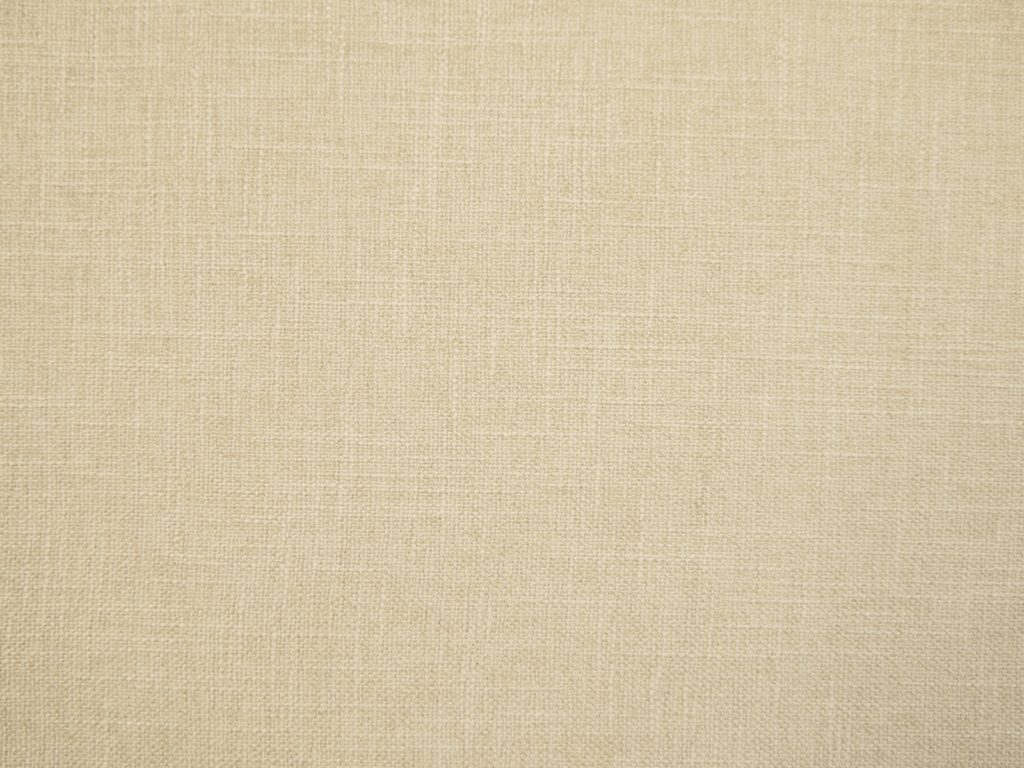
Linen
Linen is a natural material and it is well known for how breathable it is (why do you think so many summer clothes are made from linen?)
As well as being breathable, linen also has the advantage of being very hard-wearing and easy to care for. Light stains can be removed using a soft cloth and mild detergent but be careful not to scrub too hard as this can damage the material.
The Bacio range comes in a fantastic selection of colours, giving everyone the chance to own a beautiful linen couch, regardless of their decor or personal preference.
One thing I would say, however, is that linen does tend to crease and wrinkle easily. For this reason, I’d recommend this fabric for occasional furniture.
Boucle
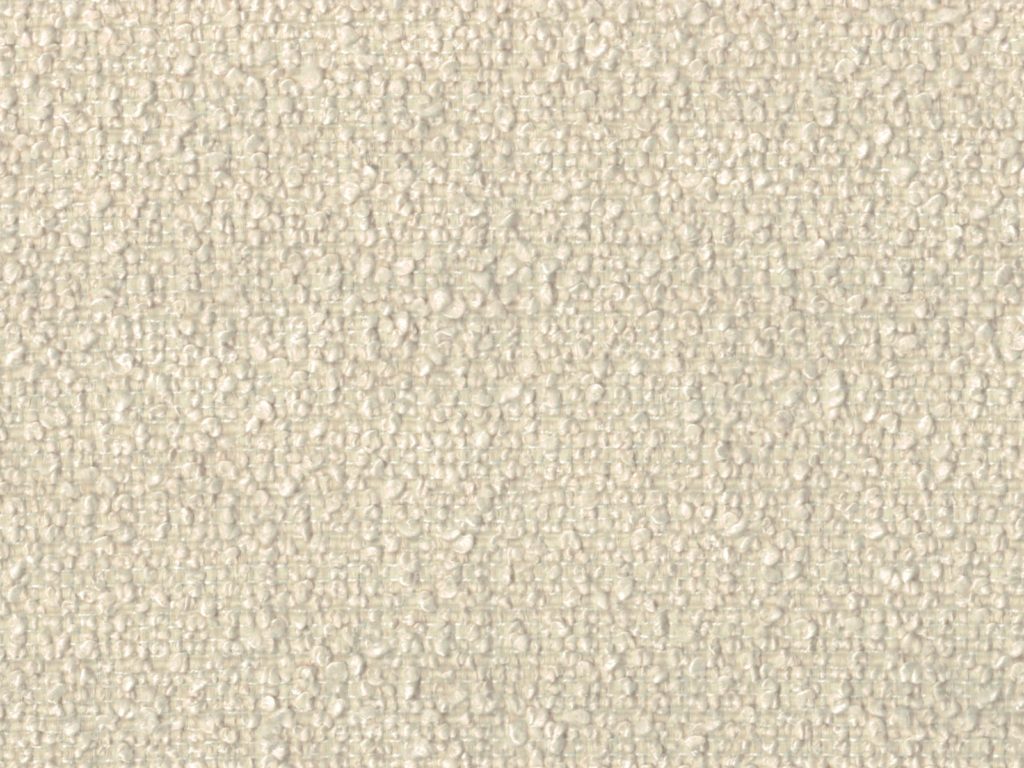
If you’re looking for a comfortable yet robust fabric then a boucle might be right up your street. This is a relatively new fabric considering it was only invented in the late 40s but it’s become one of the most well-loved.
Boucle offers cosiness thanks to its looped weave and comes in a wonderful choice of colours.
For everyday furniture, a boucle is a great choice as it takes years before it starts to show any signs of wear and tear. What’s more, it’s pretty easy to clean.
That said, I should warn you that, owing to the looped fabric, this might not be the best option for homes with pets as those sharp claws can easily cause snags.
Chenille
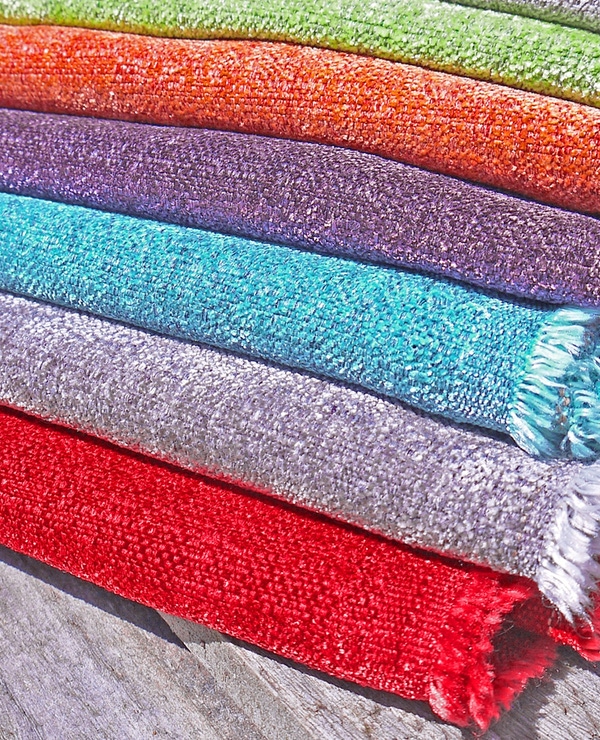
Chenille fabric is one of the most popular choices for those looking for ultimate comfort and cosiness. This material is soft to the touch and surprisingly durable for something so snuggly.
There’s something luxurious about a chenille settee and, no matter what your style preference, there’ll be a colour or pattern you’ll love. I love the Lana plaid range which gives a classic look to furniture.
If there’s one thing I would say about chenille, however, it’s that this fuzzy material does hold onto stains more freely than other fabrics. So, if you have children or pets, this might be an option for later down the line.
Velvet
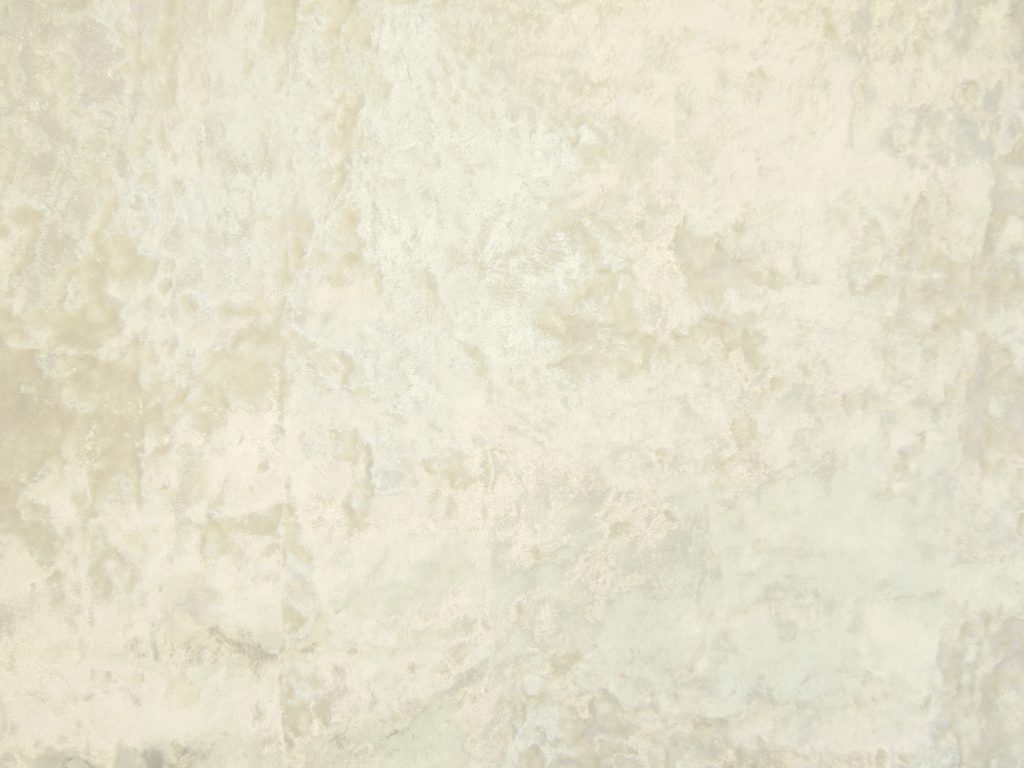
In recent years, velvet has become one of the most frequently purchased types of reupholstery materials and it’s seen in homes all over the UK. But why is it so well-loved?
Well, for starters, this is an incredibly soft material with a beautiful sheen that gives your furniture a super luxurious aesthetic.
What’s more, velvet is incredibly durable and, since there are no threads, it won’t snag or pull easily.
However, this material is known to attract pet hair and dust so it will require more regular cleaning than something like leather.
Suede
I’m going to start by saying that suede is one of the most demanding materials to take care of. If you’re not willing to maintain your couch then this isn’t a material I would recommend. What’s more, this natural cousin of leather is more likely to hold onto stains so it might not be ideal for families or furniture that’s going to be heavily used.
Now onto the reasons that suede has become such a popular choice as a reupholstery fabric.
For starters, this is a super soft material that’s breathable and lightweight. It’ll stay cool in summer and keep you cosy in winter so it’s one of the most versatile on this list.
What’s more, suede is resistant to wear and will retain its shape over time. So, as long as you’re willing to put in the work to keep it looking good, it’s a material that will stand the test of time.

What’s The Most Durable Fabric For Reupholstery?
If you’ve got a family or are looking for a fabric that will stand up to everyday use then we’d recommend something with a high rub-count. A rub test is a method of assessing the durability (or ‘abrasion resistance’) of a fabric. During the test, a specialist machine vigorously rubs the fabric. When the fabric begins to show signs of wear and tear, the test finishes by counting the number of ‘rubs’ up to that point. This gives a textile a ‘rub count’.
Therefore, picking a fabric with a higher rub count would suggest that the fabric is more durable and will wear more slowly compared with fabrics that have a lower rub count. For example, our Toro fabric has a rub-count of 750,000 making it one of the most durable faux leathers.
Which Fabric is Easiest to Clean?
Our EasyClean fabrics, such as our Destino, Cantare and Finesse fabrics are perhaps the easiest fabrics to keep clean because it’s merely a case of wiping it down with a damp, soft cloth. Some of these easy clean fabrics are machine washable.
EasyClean fabrics are coated in a NanoClean coating which resists staining. Even the most stubborn of stains, such as ink, can be effortlessly removed, the new finishing of the chenille yarns takes care of that. This is achieved without applying any additional film coating to the fabric but by incorporating it into the yarns at the production stage. In doing so, every yarn is coated with the latest stain protection and we always use the very latest technologies in the process. Yet the appearance of this fabric doesn’t give away anything in terms of its extreme durability and hardware quality.
There are also many stain-resistant types of velvet, linen, and suede on the market these days that give you the luxurious feeling of a high-end couch without the risk of it being ruined if someone spills their drink. Why not get in touch to find out more about our range of easy-to-clean fabrics?